
Looking for the best tips to winterize your HVAC system?
While it might still be hot out, before you know it, winter will be here, and you will want to ensure you winterize your HVAC system before the Treasure Valley is covered in snow and ice! Taking the necessary steps in the winter to properly maintain your heating system is just as vital as servicing your AC in the spring.
Today, we will share with you the best tips for winterizing your HVAC system so it runs efficiently and helps you stay warm this winter season!
Preparing Your Heating System for Winter
Is your heating system ready to battle the biting cold of the winter season? Before the first snowflake falls, ensuring your HVAC system is in top shape is crucial. Start by thoroughly checking your HVAC maintenance. Inspect your air vents for any blockages, as these can hinder airflow and reduce efficiency. Don’t forget to clean your outdoor unit, as debris can build up over time and affect performance. Proper insulation is key to keeping your home warm and energy bills low.
- Even a tiny leak in your air conditioner or heating system can cause significant problems in the winter.
- A clogged air filter makes your HVAC system work harder than necessary.
- Make sure it’s functioning correctly to avoid any mid-winter surprises.
- Covering your outdoor ac unit isn’t always necessary; some are designed to withstand winter weather.
Don’t forget to clean your outdoor unit as well, as debris can build up over time and affect performance. Proper insulation is key to keeping your home warm and your energy bills low.
HVAC Repairs ↗
Learn about routine maintenance, services, and repairs for your HVAC Systems!
HVAC Install ↗
Need an updated heating or air conditioning system? Let the Top Shelf team help you!
Hot Water Heaters ↗
Cold showers are never fun. Learn about our hot water heaters here!
1. Insulation and Protection
Insulation is the barrier that keeps warm air inside during winter and cool air during summer. Its purpose is to reduce energy usage and keep your HVAC unit running efficiently.
- Look for any gaps around windows and doors where warm air can escape.
- Proper insulation in the attic can significantly reduce energy loss.
- Insulating pipes and ducts prevents heat loss and protects the system’s electrical circuit.
- Contrary to popular belief, insulating your air conditioning pipes for winter can help keep your HVAC system ready for the cold season.
Without proper insulation, your HVAC system will work overtime, resulting in skyrocketing utility bills. Make sure your home is sealed up tight to prevent drafts from sneaking in and stealing your warmth.
2. HVAC Filter Maintenance
HVAC filter maintenance might not be glamorous, but it’s essential for a healthy heating unit and air conditioning system. Clean air filters ensure your HVAC system runs efficiently during the heating season, saving you money on energy bills. Dirty air filters can clog up the system, forcing it to work harder and even leading to costly repairs.
- Check your HVAC filters monthly during peak usage to ensure they aren’t clogged with dust and debris.
- Always use the correct size air filters to keep everything running smoothly.
- Make a habit of changing your air filters every three months or more often if you have pets.
- High-quality air filters can enhance your HVAC system’s performance and lifespan.
Skipping filter maintenance is like forgetting to change the oil in your car—eventually, it’s going to cause trouble!
3. Air Conditioning Unit Maintenance
Did you know the first AC was invented by Willis Carrier in 1902? It’s come a long way since then, and taking care of your air conditioning unit is crucial, even as winter hits. While your furnace is powering up to keep you warm, don’t forget your AC needs some winter preparations too. Proper maintenance ensures it’s ready for action when the warm weather returns.
- Dirt and debris can reduce efficiency, so clean those coils before freezing temperatures set in.
- Consider a breathable cover for your unit to protect it from winter weather, but avoid plastic, which can trap moisture.
- Inspect the unit for any signs of wear or damage that could worsen over winter.
- Keep the area around your AC unit clear to maintain proper airflow and prevent blockages.
Maintaining your AC during winter is like brushing your teeth—it keeps things fresh and ready for the next season!
4. Pipe and Hose Maintenance
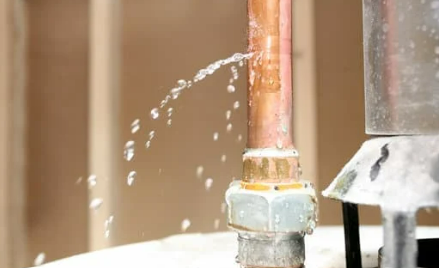
Ever had a water hose freeze and burst on you? It’s like watching a slapstick comedy, except it’s happening to you! Ensuring your pipes and hoses are in good shape before winter can save you from unfortunate incidents. Ensure everything is dry thoroughly to prevent freezing and cracking, which could lead to more significant problems.
- Disconnect your water hose and let it dry completely before storing it away for winter.
- Wrap your outdoor pipes with insulation from hardware stores to keep them from freezing.
- Check for any leaks in your unit’s filters and hoses, as even a small one can cause significant issues.
- Energy-efficient installation services can help you upgrade old pipes and hoses to more durable materials.
The moral of the story? A little maintenance now can save you from many headaches—and wet shoes—later!
5. Thermostat and Vent Maintenance
A common myth is that cranking up the thermostat will heat your home faster. In reality, it only forces your HVAC system to work harder, using more energy without warming things up any quicker. Proper thermostat and vent maintenance can help winterize your HVAC system and save money during winter.
- Ensure your thermostat is working correctly. A programmable thermostat can optimize heating habits and energy use.
- Regularly clean your vents to keep your HVAC system running efficiently and to improve air quality.
- Leaky ducts can waste energy and money. Sealing them improves efficiency and saves on heating costs.
- Make sure vents are free from furniture or other obstructions to allow proper airflow.
While some swear by fancy smart thermostats, sometimes a simple manual check can do wonders. Don’t just blindly trust tech; sometimes, the old-fashioned way works just fine!
6. Winterizing Your HVAC System for Energy Efficiency
Winterizing means preparing your HVAC system for the cold months to ensure it runs efficiently and effectively. It’s crucial to your family’s winter routine to keep everyone warm and cozy. A well-maintained HVAC system runs more efficiently, so you’ll spend less on energy costs. Additionally, proper winterization ensures that different rooms in your home are heated evenly, avoiding cold spots.
The upside to winterizing your HVAC systems is that it will decrease the chance of a breakdown when you need it the most. You do not want to deal with costly repairs during the coldest months, and preventative care can catch issues before they are too big to fix! Lastly, keeping your system in top shape can extend its lifespan, saving you money on replacements and increasing your air quality!
6 Simple DIY HVAC Winterizing Tips
Roughly half the winterizing advice online will cost you money, and the worst offender involves a tarp. Every October, Treasure Valley homeowners wrap their outdoor units like leftovers, feel responsible about it, and unknowingly hand a family of mice a heated studio apartment with copper wiring included. Winterizing your HVAC system genuinely matters.
Wrapping it does not. Six things actually keep a Boise house warm through January, and they are duller and cheaper than anything sold in the seasonal aisle.
1. Wrap nothing
Condensers and heat pumps spend their entire lives outdoors on purpose. Cabinet, coils, fan motor, refrigerant lines: all of it is rated for weather, snow included. Sealing that equipment under a tarp accomplishes something closer to the opposite of protection, because moisture that cannot evaporate sits against bare metal and gets to work rusting it.
Mice arrive next. A covered unit in a cold yard reads to a rodent as prime winter real estate, and they repay the hospitality by nesting on the contactor and stripping wire insulation down to copper. Spring startup is when you find out, usually on the first ninety degree afternoon when patience is thin and every HVAC company in the valley is booked solid. Many manufacturers explicitly advise against covering the condenser, and corrosion or pest damage traced back to a cover can land outside your warranty. One industry analysis found uncovered units lasting meaningfully longer with fewer failures, with the corrosion and electrical problems concentrated among the covered group.
Protecting the unit from falling icicles or debris is reasonable. Do it like this:
- Set a piece of plywood on top and weight it, or use a breathable top-only cover, leaving all four sides open to air.
- Leave the sides bare, always, since airflow is what dries the equipment out.
- Shovel snow away from the base rather than piling it against the cabinet.
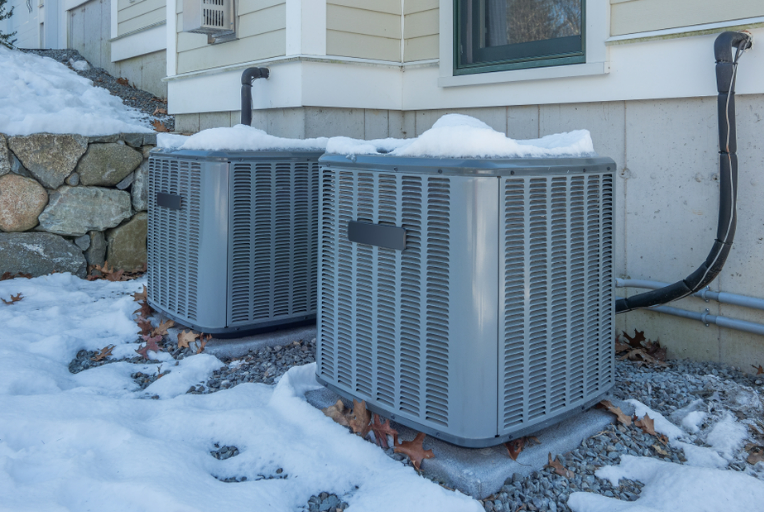
- Own a heat pump? Skip covers entirely. That unit works all winter and needs every bit of airflow it can get.
2. Figure out what is actually sitting on that pad
Furnace-plus-air-conditioner and heat pump systems look nearly identical from the driveway, and they want opposite treatment once temperatures drop. The air conditioner naps until May. The heat pump works its hardest season.
Diagnosing yours takes about twenty seconds: turn the heat on during a cold day and go look. Running outdoor unit means heat pump. Silent outdoor unit means furnace. Newer subdivisions around Meridian and Kuna are full of heat pumps now, so plenty of homeowners are applying air-conditioner advice to equipment that has no idea it is supposed to be hibernating.
3. Buy the middle filter, not the fanciest one
Filter aisles reward overconfidence. Grab the highest MERV rating on the shelf, assume more filtration equals better air, and you may quietly strangle your own furnace.
Think of it as breathing through a pillow to keep out dust. Effective, technically. For most residential systems, MERV 8 to 11 hits the target, catching dust, pollen, and pet dander while still letting the blower move air. Push far past that in equipment never designed for it and return airflow drops, the blower strains, heat output falls, and a gas furnace can run its heat exchanger hotter than intended. Plenty of cracked heat exchangers trace back to somebody being helpful at the hardware store.
Money rides on getting this right. ENERGY STAR reports that swapping a dirty filter alone cuts energy consumption by 5 to 15 percent, while Department of Energy figures put the efficiency penalty for a neglected furnace at up to 10 percent, or roughly $100 to $200 burned per heating season.
| Filter type | Replace every | Worth knowing |
|---|---|---|
| Standard 1-inch pleated | 1 to 3 months | Check monthly once heating season starts |
| 4 to 5-inch media | 6 to 12 months | Longer life, less airflow restriction |
| Pets or allergies at home | More often | Hair and dander load it faster |
| Inversion weeks in the valley | Check sooner | Stagnant winter air drives particulates indoors |
Valley inversions make that bottom row matter. When cold air parks over Boise for a week and the haze settles in, your filter is doing considerably more work in January than it ever does in June.
4. Find your two white pipes before the snow does
Now for the item I would put above everything else on this list, because it is local, it is common, and it kills your heat completely.
Condensing furnaces, meaning most units installed in the past fifteen years, skip the chimney. They breathe through two white PVC pipes poking out of an exterior wall, usually a foot or two off the ground. One inhales combustion air. One exhales exhaust. Both look like plumbing to the untrained eye, which is exactly why they end up buried.
Snow drifts against that wall. Ice creeps across the openings as exhaust condensate freezes. Somebody clears the driveway and stacks the pile directly on top of them. Landscaping contributes as well, since shrubs planted a few summers ago have quietly grown into the clearance those pipes require. Block either one and the pressure switch shuts the furnace down, which is the system correctly refusing to run in a way that could hurt you. Your house gets cold anyway, and the repair bill is a diagnostic fee for something a shovel would have solved.
Walk out and locate those pipes this week, while the grass is still visible. Keep a clear pocket around them, check after heavy snow, and pay particular attention if drifts tend to build on that side of the house. Thirty seconds of prevention beats the most common no-heat call we run all winter.
Condensate drains deserve a look while you are out there too. Condensing furnaces produce water, and a line running through an unheated garage or crawl space will freeze and shut things down just as effectively.
5. Stop closing vents in empty rooms
Shutting registers in the guest room feels frugal and does the opposite.
Your ductwork was balanced for a specific volume of air, and closing registers does nothing to reduce what the blower pushes. Static pressure climbs instead, air escapes through every leak in the duct run, the blower motor works harder, and airflow across the heat exchanger can drop below what the furnace expects. Close two registers in a large house and nothing much happens. Close half of them and you have engineered a problem.
Rooms that run consistently too hot or too cold point toward a balancing or zoning fix, which happens at the ductwork, not at the register.
6. Book the inspection you cannot perform yourself
Filters, clear vents, thermostat settings, clear space outside: all yours. Combustion is not.
Carbon monoxide carries no color and no smell, and the Consumer Product Safety Commission attributes an average of about 63 CO deaths per year in the United States to heating systems. Detecting a cracked heat exchanger requires a combustion analyzer and a borescope. A flashlight and optimism will not find it.
Genuine tune-ups cover heat exchanger inspection, combustion and flue gas analysis, burner and flame sensor cleaning, blower service, electrical connections, gas pressure, and safety controls. Ask what the visit includes before booking, because “tune-up” covers everything from a thorough forty-five minute inspection to somebody swapping your filter and leaving. Combustion analysis is the item that separates the two, so make sure it appears on the list.
Two homeowner jobs before winter, both quick. Test every carbon monoxide detector and swap the batteries. Then watch your burner light once: a healthy gas flame burns blue, while yellow or orange signals incomplete combustion and warrants a call today rather than a note on the fridge.
“Nobody calls us in September. They call at 5 a.m. in January when it is nine degrees and the house is 48.” Kevin Costa founded Top Shelf with his brother Kenny out of their own house almost a decade ago, and he has watched that pattern repeat every winter since. “September costs less, and you get to pick the appointment time.”
GET IN TOUCH WITH TOP SHELF
Honest HVAC Help
Heat pump owners, one more thing
Defrost cycles alarm people every single winter, but don’t worry, your heat pump will take care of it- but what is that again? Frost accumulates on the outdoor coil in cold weather, so the system periodically reverses itself to melt it off, producing steam, unfamiliar noises, and a brief cool draft indoors. Perfectly normal. We field these calls constantly from homeowners convinced their new system is dying, even though it performs exactly as designed.
Real problems look different:
- Snow packed against the coil or drifted around the base, which chokes the airflow the system depends on.
- Meltwater refreezing into an ice collar at the base because the pad drains poorly.
- Ice that never clears at all, meaning defrost has failed, which does warrant a service call.
- Backup heat running on brutal nights, which is expected rather than broken. Boise’s winter design temperature sits near 9 degrees, and backup exists precisely for that.
Thermostat habits deserve rethinking too, because the furnace playbook backfires here. Dropping the temperature ten degrees overnight saves a furnace owner money. Do the same with a heat pump, and morning recovery demands heat faster than the compressor can supply it, so the system falls back on electric resistance strips to catch up. Those strips are the most expensive heat in your house. Modest setbacks of two or three degrees, or a thermostat with genuine heat pump logic that ramps recovery gradually, will treat your bill far better than the aggressive schedule you might have run on a gas system.
Winterizing your HVAC system: while you have the ladder out
Three smaller jobs round out the afternoon, and none takes long.
Furniture migrates over the summer. Sofas end up against returns, rugs creep across floor registers, and boxes pile in front of the basement supply nobody thinks about. Walk each room and clear anything sitting on top of a vent, since blocked registers create the same pressure problem as closing them deliberately.
Whole-house humidifiers need attention before they run. Swap the pad or filter, open the water supply valve if it was closed for summer, and set humidity somewhere in the 30 to 40 percent range. Boise winters are dry enough that the difference shows up in your skin, your floors, and how warm the house feels at a given temperature.
Attic access hatches, crawl space doors, and weatherstripping around exterior doors all leak heat you paid for. None of that is HVAC equipment strictly speaking, though your furnace ends up covering the shortfall regardless.
Before the ground freezes
Six items, none expensive: leave the equipment uncovered, know which system you own, buy a mid-range filter, clear your vent pipes, keep registers open, and schedule the combustion inspection. Winterizing your HVAC system takes an afternoon and one appointment, and it costs dramatically less than the emergency version.
Grab a jacket and go find those two white pipes right now, plus the outdoor unit, and clear a few feet around each. That walk alone prevents the no-heat call we run more than any other. Prefer to hand the whole thing off before the first freeze? Top Shelf Heating & Cooling covers Meridian, Nampa, Eagle, Boise, Garden City, Middleton, Mountain Home, and the rest of the Treasure Valley at 208-572-9016, and September appointments are considerably easier to get than January ones.
GET IN TOUCH WITH TOP SHELF
Honest HVAC Help
Common Winter HVAC Issues to Watch Out For
Now that you know how to properly winterize and prepare your HVAC unit for cold temperatures, here are some warning signs to watch out for during the winter months!
- No Heat: Immediately check the thermostat to ensure it’s set to “heat” and the correct temperature. If that doesn’t work, it could be an issue with the furnace.
- Dirty Filters: Dust and other debris can clog filters, reducing efficiency. Replace filters regularly to maintain proper airflow.
- Frozen Pipes: Insulate pipes to prevent them from freezing and bursting, which can cause significant damage.
- Pilot Light Problems: If your furnace’s pilot light keeps going out, it might need cleaning or professional adjustment.
- Blower Issues: A malfunctioning blower can prevent heat from circulating. This often requires professional servicing.
- Odd Noises: Strange sounds from your HVAC unit can indicate loose parts or other issues. Tighten any loose components or call in a pro.
- Thermostat Malfunctions: If the thermostat isn’t reading the temperature correctly, it might need recalibration or replacement.
- Blocked Vents: Ensure vents aren’t obstructed by furniture or drapes to allow proper heat distribution.
For many of these problems, especially those involving the furnace and blower, professional services can ensure your system runs smoothly all winter long. Skimping on professional help is like trying to fix a car engine with duct tape—don’t do it!
Final HVAC Winter Maintenance Check
When it comes to maintaining your HVAC system, you might be tempted to do it yourself. However, there are compelling reasons to opt for professional maintenance instead, from expertise and experience to preventing more significant issues.
Winterizing your HVAC unit can be done in a day by a professional technician from Top Shelf Heating, and our maintenance packages are affordable. Don’t leave your heating system’s performance to chance this winter; instead, have the peace of mind of knowing you are set for the winter with a proper winterization service!
Boise HVAC Winterization FAQs
How often should I have my furnace serviced in Boise, Idaho?
Most Boise homeowners should have their furnace professionally inspected once a year, ideally in early fall before temperatures drop. Annual furnace maintenance can help identify dirty burners, airflow problems, failing electrical components, and safety concerns before your heating system is working nonstop during a Treasure Valley cold snap.
What temperature should I set my thermostat to during a Boise winter?
For many Boise homes, setting the thermostat around 68°F while you are home provides a good balance between comfort and energy efficiency. Furnace owners can often save additional energy by lowering the temperature while sleeping or away. If you have a heat pump, avoid large temperature setbacks because recovering several degrees quickly can activate expensive backup electric heat.
Should I cover my outdoor AC unit during winter in Boise?
In most cases, no. Outdoor AC units are designed to handle rain, snow, and cold temperatures. Completely wrapping your condenser can trap moisture and create a protected area for rodents. Boise homeowners are usually better off keeping leaves, snow, and debris away from the unit and using only a breathable top cover if protection from falling debris is necessary. Heat pumps should remain uncovered because they operate throughout the winter.
Why does my furnace stop working after heavy snow in Boise?
One common cause is a blocked furnace intake or exhaust vent. Many newer Boise homes use high-efficiency furnaces with white PVC pipes that exit through an exterior wall. Heavy snow, drifting snow, or ice can block these pipes and trigger a safety switch that prevents the furnace from operating. After a Treasure Valley snowstorm, check that your exterior furnace vents are completely clear. If your heat still will not turn on, Top Shelf Heating & Cooling provides 24/7 emergency HVAC service throughout Boise and the Treasure Valley.

 Quality Air Conditioning Maintenance Tips for Longevity