
Are you looking for quality air conditioning maintenance tips or service?
If you’re in the Boise area and searching for a quality heating and air conditioning company, we can help. Or, if you are tired of high energy bills or rooms that never feel quite right, we can provide valuable tips!
Many homeowners and business owners across the Treasure Valley are dealing with rising energy costs, uneven temperatures, and outdated air conditioning systems that just can’t keep up.
At Top Shelf Heating & Cooling, we believe comfort shouldn’t come with stress or surprises. Below, we’re sharing real, practical upgrades that can help you cool your space better, lower your bills, and improve your indoor air quality—whether you run a busy office or just want your home to feel better after a long day.
How to Find the Best HVAC Company in Meridian & Boise:
If you are looking for quality heating and air conditioning in Meridian, Boise, or nearby, you want to first ensure you are dealing with a reputable and licensed company. The easiest way to find professional HVAC companies in your area is to do the following:
- Use your favorite search browser and type “Best HVAC company near me.” This is most likely how you found this article.
- From there, read their reviews and check out their website and testimonials. This will give you an excellent feel for the company.
- Set up a consultation to learn more about their services, and be sure to ask questions about their experience and technical certifications.
As one of the leading HVAC companies in the Greater Boise area, we take pride in offering 24/7 emergency cooling and heating services to residents and business owners!
The refrigerant myth that shortens equipment life
Sealed loop. That description covers the entire refrigerant circuit in your system, factory-charged and designed to circulate for the equipment’s whole life without ever being replenished. Electricity gets consumed. Refrigerant simply moves around.
So a low charge means exactly one thing: refrigerant escaped through a hole. The EPA estimates residential systems leak somewhere around 5 to 11 percent per year when leaks go unaddressed, and roughly nine times out of ten the culprit sits in the paper-thin copper tubing of the evaporator coil, where the metal is drawn thin deliberately for heat transfer.
Adding refrigerant without finding that hole produces a temporary and expensive illusion. Peak efficiency lasts a few days, the charge starts dropping again immediately, and the compressor spends the rest of the season running undercharged, which is the condition compressors like least. One published analysis citing Air Conditioning Contractors of America data reports that systems given repeat top-offs without leak repair suffered compressor failures at over three times the rate of systems that received proper leak diagnosis and repair.
Overcharging deserves equal suspicion, incidentally, since technicians sometimes add extra to compensate for a suspected leak. Too much refrigerant causes liquid to reach the compressor, washing lubricant off cylinder walls and dramatically raising failure risk.
Insist on this before anyone adds a pound of anything: electronic leak detection, plus documented superheat and subcooling readings taken before and after. Refrigerant service without a leak report is not service.
Chores: the maintenance you can genuinely do yourself
Homeowner tasks are unglamorous, cheap, and collectively worth more than most people assume.
Filters come first, since a clogged one starves the whole system of return air. Standard one-inch pleated filters want changing every one to three months, and four-inch media filters run six to twelve. Households with shedding dogs land at the short end of both ranges. Skip the temptation to buy the highest MERV rating available, because restricting airflow to catch marginally more dust trades cooling capacity for filtration you probably do not need.
Condenser coils need clearing every spring. Kill power at the disconnect, pull the visible debris out of the fins, then rinse from the inside out with a garden hose so you push dirt back through rather than driving it deeper. Pressure washers bend fins and end the conversation permanently, so leave those in the garage. The Department of Energy is direct about this: neglecting coils and filters increases energy use, and industry figures put the efficiency penalty from serious neglect near 30 percent with roughly 20 percent higher annual energy costs.
Clearance around the unit matters more than landscaping instincts allow. Two feet on all sides, five feet overhead, and no shrubs pressed against the cabinet no matter how neatly they hide it. Dryer vents pointed at the condenser cause their own slow damage, coating fins in lint that behaves exactly like cottonwood.
Condensate drains clog with algae and gunk, then back up into your air handler or ceiling. Pouring a cup of distilled vinegar down the access port every couple of months keeps the line clear and costs about a dollar a year.
| Task | How often | Roughly what it costs you |
|---|---|---|
| Change filter | 1 to 3 months (1-inch) | $10 to $25 each |
| Clear and rinse condenser coil | Each spring | An hour and a garden hose |
| Flush condensate line | Every 2 months in season | A cup of vinegar |
| Clear vegetation and debris | Monthly glance | Five minutes |
| Professional inspection | Annually, spring | One appointment |
Measurements: the half that predicts failure
Cleaning keeps a system efficient. Measuring is what tells you the system is about to break, and that distinction is the actual argument for professional maintenance.
Take capacitors. That cylinder inside your outdoor unit stores the electrical kick that starts your compressor and fan motor, and it fails more often than any other component in residential air conditioning, accounting for something like 30 percent of service calls, with some technicians putting it behind a majority of their repairs. Rated capacity is printed right on the label in microfarads. A technician measures actual capacitance and compares.
Why that matters so much: capacitors degrade gradually and measurably before they quit. Read one at 35 microfarads against a 45 rating and you have found a failure weeks or months before it strands you, for a part costing $150 to $300 installed. Let it fail completely in mid-July and your compressor has been starting hard against a weak capacitor for the entire slide, which is how a cheap part turns into a $1,500 conversation.
Heat accelerates the whole process. Capacitors might see fifteen to twenty years in a mild coastal climate, while in genuinely hot regions five to ten is realistic, and the electrical compartment inside an outdoor unit runs far hotter than the air around it during a Treasure Valley July.
Other readings worth having taken annually:
- Superheat and subcooling, which reveal whether the charge is correct without anyone guessing.
- Amp draw on the compressor and fan motor, compared against nameplate ratings, since rising amperage signals a motor working harder than it should.
- Contactor condition, because pitted contacts cause hard starts that beat up everything downstream.
- Temperature split across the evaporator coil, which quantifies actual cooling performance rather than approximating it by feel.
Kevin Costa, who started Top Shelf with his brother Kenny out of their own house nearly a decade ago, frames the value simply: “Anybody can hose off a coil. What you’re paying a technician for is the meter. The parts that strand you in July almost always tell you first, and they tell you in numbers.”
Air conditioner maintenance tips for Treasure Valley summers
Three local conditions shorten equipment life around here, and none appear in national maintenance checklists.
Cottonwood season arrives first, usually late spring, when the fluff drifts across the valley and mats itself against condenser fins like insulation nobody asked for. A coil wearing a cotton blanket cannot dump heat, so head pressure climbs, the compressor labors, and efficiency drops right as cooling season begins. Check your unit weekly during the drift and rinse it as needed.
Agricultural dust follows through summer, particularly for homes near the fields around Nampa, Kuna, and Middleton. Fine soil settles into coil fins and packs down after the first rinse, so those units want inspection more often than a downtown Boise condo would.
Wildfire smoke closes the season. August and September routinely bury the valley in particulates that load filters at several times the normal rate, and a filter rated for ninety days can choke in three weeks during a bad stretch. Check yours during smoke events rather than trusting the calendar, since a plugged filter during the hottest weeks of the year is how evaporator coils freeze. Keep a spare on the shelf during smoke season so a replacement never waits on a hardware store run.
Test it early, but not on a cold day
Springtime eagerness produces a specific mistake. Warm Saturday in April, homeowner decides to confirm the AC survived winter, flips it to cool while it is 52 degrees outside, and lets it run.
Compressors object to that. Oil thickens in cold weather, refrigerant migrates into the compressor crankcase overnight, and starting up under those conditions means the machine circulates lubricant poorly right when it needs it most. Head pressure also runs too low for the system to operate correctly, and evaporator coils can freeze outright. Most manufacturers specify a minimum outdoor temperature around 60 to 65 degrees for running the cooling cycle unless the equipment carries a low-ambient kit, which residential units generally do not.
Waiting for a genuinely warm afternoon solves it. Let the unit run twenty minutes, then check that air from the supply registers feels properly cold and that the outdoor fan spins smoothly without rattling or stuttering. Anything unusual gives you weeks of lead time to book a repair before the calendar fills.
Your ducts may be undoing the whole thing
Perfect maintenance on the equipment still loses if the distribution system leaks, and duct problems hide better than almost anything else in a house.
Conditioned air escaping into an unconditioned attic or crawl space never reaches a room, so the system runs longer cycles chasing a setpoint it struggles to hit. Longer cycles mean more compressor starts, more heat inside the outdoor cabinet, and faster wear on exactly the components discussed above. Symptoms show up as rooms that never match the thermostat, dust accumulating unusually fast, and summer bills that climb without an obvious reason.
Sealing accessible joints with mastic rather than the cloth duct tape that dries out and peels within a couple of years handles much of it. Anything buried in a wall or a tight crawl space warrants a professional look, ideally with a pressure test rather than guesswork.
Where maintenance actually earns its money
Skeptics reasonably ask whether an annual visit pays for itself, and the honest answer depends on the failure mode.
Efficiency gains are modest and real. Clean coils and correct airflow improve cooling performance by roughly 5 to 10 percent, which shows up on a summer bill without ever thrilling anybody.
Catching failures early is where the math turns lopsided. A weak capacitor spotted in April costs a few hundred dollars on a scheduled visit. That same capacitor failing on a 103 degree Saturday costs emergency-rate diagnosis, and if it took the compressor windings with it, replacement runs into four figures or pushes you toward a whole new system years ahead of schedule.
Warranty protection quietly matters too. Manufacturers commonly require documented annual maintenance to honor parts coverage, so skipping visits on a unit still under warranty risks paying full price for a repair the manufacturer would have covered. Keep the service records, since the burden of proving maintenance history falls on you rather than the manufacturer when a claim gets filed.
Before the first hot week
Schedule the inspection in spring, not July. Availability collapses once temperatures climb, and a technician measuring your capacitor in April has options that a technician doing it during a heat wave does not.
Meanwhile, walk out and give your outdoor unit two feet of breathing room, check the filter you probably last thought about in March, and note whether cottonwood has started drifting. Those three moves cost nothing and prevent a surprising share of the calls we run.
Top Shelf Heating & Cooling handles AC maintenance across Meridian, Nampa, Eagle, Boise, Garden City, Middleton, Mountain Home, and the rest of the Treasure Valley. Reach us at 208-572-9016, and ask whatever you want about superheat readings. Nobody here minds explaining the numbers.
Here are the best HVAC tips for Homeowners in Boise & Meridian:
Below you will find our top recommendations for ensuring proper mainteance for your HVAC system. Whether it is heat pump, a natural gas heater, an old school air conditioner – it doesn’t matter, maintenace is vital new or old!
1. Optimize Your Home Air Conditioning System for Maximum Efficiency
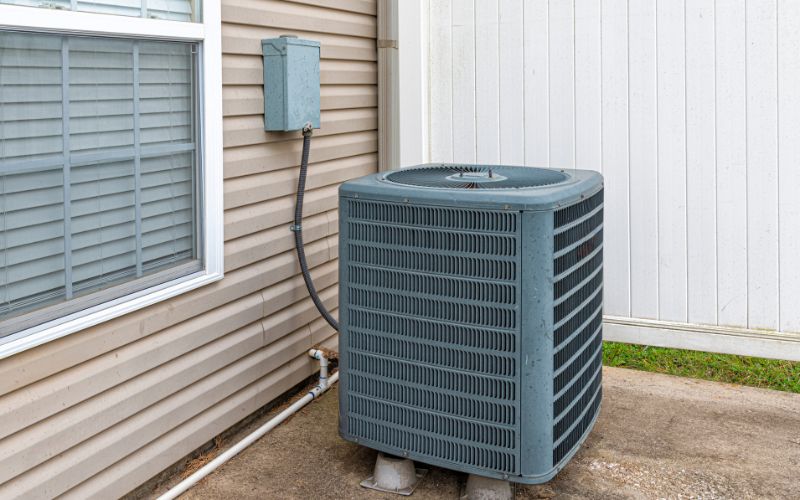
When your air conditioning system runs efficiently, your space feels better, and your energy bills drop. Simple upgrades can improve your refrigerant levels, boost airflow, and prevent your system from overworking in the heat.
Here’s how we usually start:
- Seal any leaks in your duct system
- Clean the evaporator coil and condenser fan
- Replace clogged filters
- Check and adjust your thermostat
These steps alone can cut energy use by up to 25%. We’ve seen homes in Meridian and Nampa drop their energy bills almost overnight just by having a proper tune-up and furnace filter replacement.
You’ll also notice your system runs quieter and puts out more even cooling, especially if you’ve had that one room that never seems to catch up.
Here’s what real results often look like:
| Parameter | Before Optimization | After Optimization | Improvement (%) |
|---|---|---|---|
| Energy Consumption (kWh/month) | 1,200 | 900 | 25% |
| Cooling Output (BTU/hr) | 14,000 | 15,500 | 10.7% |
| Noise Level (dB) | 70 | 65 | 7% |
This table confirms that systematic improvements yield tangible benefits and energy savings, making the case for regular system optimization.
Bonus benefit? Cleaner airflow also helps reduce dust and allergens, improving indoor air quality without needing extra gadgets.
2. Consider Innovative Cooling Solutions for Business Spaces
Commercial spaces call for smarter setups. In businesses, we recommend HVAC systems that adjust cooling based on how the building is being used, saving energy and boosting comfort simultaneously.
Here are a few tools that help:
- Smart zoning – Directs airflow only where it’s needed
- Digital thermostats – Let teams control temps by room or zone
- Energy recovery ventilators – Recycle cooled air and cut waste
- Air curtains – Keep warm outside air from rushing in at the door
- Automated dampers – Balance airflow based on daily traffic
These features work well with modern systems like heat pumps, which can handle cooling and heating while using less energy. Whether cooling a busy shop or keeping a server room stable, upgrading your HVAC system means fewer breakdowns and more reliable performance.
One business we worked with saw a 30% drop in energy costs after switching to an innovative system with zoning and an upgraded pump.
And remember: New installations and upgrades often come with a warranty, so you’re covered for years to come.
3. Use Eco-Friendly Air Conditioning Options
Eco-friendly air conditioning systems do more than cool your space—they help lower energy bills and reduce air pollution. These systems use modern, low-impact refrigerants and energy-efficient technology that allows your home or business run smarter, not harder.
At Top Shelf Heating & Cooling, we often recommend newer models that use R-32 refrigerant, which has a much lower environmental impact than older types like R-22. Pair that with solar backup or a high-efficiency heat pump, and you’re not just saving money—you’re cutting your carbon footprint too.
Many of today’s eco-friendly systems also come with inverter technology. That means the unit only works as hard as it needs to, keeping temperatures steady while using less energy. Less wear on your equipment also means fewer breakdowns and longer system life.
Here’s a simple look at the difference between older systems and today’s greener options:
| Metric | Conventional System | Eco-Friendly System | Difference (%) |
|---|---|---|---|
| Global Warming Potential | ~1,800 (R-22) | ~675 (R-32) | 62.5% lower |
| Coefficient of Performance (COP) | 3.2 | 3.8 | 18.75% improvement |
| Annual Energy Consumption (kWh) | 1,400 | 1,150 | 17.9% reduction |
This table illustrates the significant advantages of eco-friendly systems. When combined with renewable energy sources like solar panels, these systems contribute to environmental sustainability and offer a reliable return on investment in the long run. Eco upgrades may also qualify for rebates or come with extended warranty coverage, making them a wise long-term investment.
4. Enhance Your Comfort With Smart Air Conditioning Devices
Want your home cool before you walk through the door? Smart air conditioning devices make that possible and save energy at the same time.
Using a smart thermostat, you can manage temperatures from your phone, set schedules, or use voice commands. These devices “learn” your habits and adjust automatically, so you’re not cooling an empty house or freezing out one room to keep another comfortable.
Smart tech also improves indoor air quality by syncing with other HVAC systems—like fans, ventilation, and even heating. It’s a cleaner, more efficient way to control comfort and cut down on energy waste.
Features we often recommend:
- Mobile app control from anywhere
- Scheduling that adjusts to your routine
- Energy tracking so you can monitor use
- Voice control with Alexa or Google
- Maintenance alerts before something goes wrong
Homeowners across Meridian love how smart devices take the guesswork out of cooling. And yes, smart upgrades are also available for small businesses and retail spaces—perfect for cutting HVAC costs while keeping customers and employees comfortable.
Partnering with a quality air conditioning company ensures your smart system fits your space, works with your current setup, and supports better customer satisfaction.
5. Implement Essential Maintenance Practices for Longevity
Regular air conditioning maintenance isn’t optional—it’s the easiest way to avoid big repair bills and keep your home comfortable year-round.
We always tell our customers this: staying ahead of small issues means fewer surprises and better system life. When your unit is cleaned, tuned, and checked regularly, it runs more energy-efficiently, protects your indoor air quality, and helps maintain your warranty.
Here’s what we recommend:
- Change or clean your air filters every 1–3 months
- Clean condenser and evaporator coils twice a year
- Check refrigerant levels and inspect for leaks each season
- Look for cracks or loose seals in your ductwork
- Book full HVAC services at least twice a year
These small steps help you catch problems before they become costly. They also make sure your system stays in the best shape, so you’re not calling for emergency service during the hottest week of the summer.
A well-maintained system also improves indoor air quality by keeping dust, allergens, and debris out of the air. And let’s be real—who doesn’t want to breathe easier?
6. Transform Your Space With Stylish Air Conditioning Options
You don’t have to sacrifice style for comfort anymore. Today’s air conditioning systems are sleek, quiet, and built to fit your space—not take over it.
For homes or businesses where looks matter, we often recommend ductless mini-split systems or concealed indoor units. These units cool efficiently, mount cleanly on a wall or ceiling, and deliver strong performance without sticking out like an old box fan.
Here’s a quick breakdown of some of the most popular options:
| Model | Design Feature | Energy Efficiency (SEER) | Installation Flexibility |
|---|---|---|---|
| Ductless Mini-Split X100 | Slim wall-mounted | 21 | High |
| Concealed Indoor Unit A-Series | Ceiling-suspended design | 19 | Moderate |
| Hybrid Smart AC Pro | Integrated with smart home system | 20 | High |
These models don’t just look good—they’re built for long-term performance. Each one delivers energy-efficient cooling with modern controls, quiet operation, and cleaner airflow.
Choosing a system from a quality air conditioning company like Top Shelf also means we help you pick the right size, style, and installation plan. Every installation is backed by our commitment to customer satisfaction—no upsells, no fluff.
GET IN TOUCH WITH TOP SHELF
Honest HVAC Help
Common Air Conditioning Questions
1. How often should I schedule air conditioning maintenance?
Twice a year is best for Boise and Meridian. We recommend once in spring before cooling season, and again in fall before heating and air kicks in. This keeps your system efficient and prevents breakdowns when you need it most.
2. Can eco-friendly systems reduce energy bills significantly?
Yes. Upgrading to energy-efficient units like smart systems or newer heat pumps can reduce energy costs by 15–30%. They’re quieter, cleaner, and better for your budget long-term.
3. What benefits do smart thermostats offer?
Smart thermostats help you manage comfort from your phone, track energy use, and adjust temperatures automatically, perfect if you’re away for work or vacation. This will save you money on your energy bills and prevent your system from “Overrunning” when it doesn’t have to!
4. Are stylish AC units as efficient as traditional ones?
Absolutely. Low-profile units like ductless mini-splits are just as powerful and improve indoor air quality while blending into your space. Remember that old-school window units are not as efficient or as good-looking, but the new AC units are more advanced and smaller.
5. How can I retrofit my current system for improved efficiency?
Start small. Swap in a smart thermostat, seal your ducts, clean your filters, and check your refrigerant levels. These changes can boost efficiency fast.
6. Do you offer heat pump repair and maintenance?
Yes! We service all brands of heat pumps and offer reliable, honest heat pump repair throughout the Treasure Valley, no upsells, just what you actually need.
7. What’s the best option for residential heating?
If you want quiet, efficient residential heating, we recommend either a modern heat pump or high-efficiency furnace. We’ll help you choose based on your space, usage, and budget.

 Best Tankless Water Heater Reviews: Top Picks for Boise