
Dealing with some hot water issues in the middle of a Treasure Valley winter? We get it. Knowing how to fix hot water problems is never fun, and it never happens at the right time!
You wake up early on a Monday to go to work, turn on the tap expecting warm water, and instead you get a shock of cold. The question is why. Could it be the heater, the plumbing, the thermostat, or something much simpler?
The trick is knowing where to start. Stay with us here at Top She,lf Heating & Cooling, and we will walk step-by-step through the most common causes of water heater issues and how to fix them.
Why Is My Water Heater Not Producing Hot Water?
You might be wondering why your water heater isn’t producing hot water. That is the most common warning that you might have an issue.
Believe it or not, hot water problems often seem to appear out of nowhere, but they usually stem from a handful of predictable issues. Your water heater is a closed system that heats, stores, and delivers hot water on demand. If any part of that chain is disrupted-heat source, thermostat, tank, flow, or safety controls- you end up with lukewarm or cold water.
The key is to slow down, look at symptoms, and find the cause before replacing parts or guessing on your own.
6 Common Causes of No Hot Water:
What causes your water heater to fail and not produce the hot water you need? Go figure, it always seems to happen when you need it the most! However, the signs are usually easy for a professional plumber to identify.
Several common issues can interrupt hot water production. These apply whether you have a gas or electric water heater and can start witha power supply (easy fix) or stem from a more complicated issue (like the heating element failing).
Here are the 6 most common causes of water heater problems:
- Power or Gas Supply Issue –Electric heaters rely on a working electrical connection. Gas heaters rely on a steady flame. If either is interrupted, there is no heat.
- Thermostat Miscalibration –The thermostat controls temperature. If it is set too low or the sensor fails, the water will never reach the correct temperature.
- Heating Element Failure (Electric) –Electric heaters use one or two elements inside the tank. If one burns out, you either get cooler water or no hot water at all.
- Pilot Light or Burner Issue (Gas) –If the pilot light goes out or the burner becomes dirty, the heater cannot ignite properly, and the water stays cold.
- Sediment Buildup Inside the Tank – Over time, minerals in the water settle to the bottom of the tank. This creates an insulating layer that slows heating and reduces capacity.
- Dip Tube Damage –The dip tube directs incoming cold water to the bottom of the tank. If it breaks, cold water mixes at the top and weakens hot water output.
How Can I Troubleshoot No Hot Water Step-by-Step?
These steps help you identify the most likely cause before calling in help:
- Check Other Hot Water Taps: If only one faucet is cold, the issue may be a fixture or valve, not the water heater.
- Look at the Water Heater’s Power Source: Check the breaker panel. Reset if tripped.Gas: Confirm the gas valve is open and the pilot light is on.
- Check the Thermostat Setting: Many heaters are set below optimal by mistake. Aim for 120°F. If it is already there and water is cold, the thermostat may be misreading.
- Listen for Tank SoundsCrackling or popping often indicates sediment buildup. It is a sign your heater may need flushing.
- Inspect for Leaks Around the Tank: A leaking tank reduces volume and can lead to rapid temperature loss. If you see standing water, turn off power and water supply immediately.
- Note the Age of the Water Heater: Heaters over 10–12 years are more likely to have failing components or internal corrosion.
When Should I Call a Professional for No Hot Water Issues?
When should you call a professional water heater contractor to help you?
The best answer is that when you see clear signs of trouble, like a pilot light that won’t stay lit, burners that refuse to ignite, or breakers that keep tripping even after a reset, it is time to call a pro!
Significant changes in water pressure or temperature, loud popping or grinding noises, or any water pooling around the unit are also strong warnings. And if your system is over 10 years old, repairs may cost more than a complete replacement.
Pros can also handle safety tasks homeowners shouldn’t attempt, including gas line checks, pressure valve testing, heating element replacement, and complete tank flushing. When in doubt, calling early is always better. Small issues become expensive failures quickly when a heater is forced to work harder than it was designed to.
What Are Safe DIY Water Heater Fixes and When to Avoid Them?
Some hot water issues are simple enough for a homeowner to check or correct. Others involve electricity, gas, high temperatures, or pressurized tanks, which can be dangerous if handled incorrectly. The goal is to handle the easy adjustments yourself and leave the technical work to someone trained. A good rule of thumb: if you need tools beyond a screwdriver or if something looks unfamiliar inside the heater, stop and call a professional.
Safe DIY Checks You Can Do:
- Reset the Thermostat Setting Sometimes the dial gets bumped lower. Set it to around 120°F. If the water does not heat up after an hour, the issue is deeper than the setting.
- Check the Breaker (Electric Heaters) If the water is cold, open your breaker panel and look for a tripped switch. Reset it once. If it trips again, stop. That indicates an electrical fault that needs a professional.
- Relight the Pilot Light (Gas Heaters) Most modern heaters have relighting instructions printed near the burner panel. Follow them slowly and carefully. If the pilot light refuses to stay lit, do not force it. That can indicate a gas or ignition problem that requires trained handling.
- Flush Sediment from the Tank (If You’re Comfortable) Sediment buildup is common. Draining a few gallons from the tank helps improve heating efficiency. However, if the drain valve is stuck or the water is rusty, do not force anything. You could break the valve or disturb internal corrosion.
- Check for Simple Valve Issues Ensure the cold water supply valve on top of the heater is open. If it is partially closed, your heater may deliver weak or inconsistent hot water.
When to Avoid DIY and Call a Professional Instead:
- If You Smell Gas Stop immediately. Turn off the gas supply if you know how, leave the area, and call a professional or your gas utility emergency line.
- If You Hear Loud Popping, Grinding, or Boiling Sounds This can mean overheating, severe sediment buildup, or pressure issues. A professional should diagnose it before the tank is damaged.
- If the Tank Is Leaking A leaking tank usually means internal corrosion. No sealant or quick patch will fix this. The tank will need to be replaced.
- If You Need to Replace Heating Elements or Gas Burners These repairs involve electricity or open flame systems. Without the right tools and safety checks, you can create a shock hazard or gas ignition risk.
- If the Water Heater Is Over 10–12 Years Old Parts can fail repeatedly once the system reaches its end-of-life range. A professional can help determine if repair or replacement is more practical.
Safe DIY is about simple checks and light maintenance. Anything involving electrical wiring, gas lines, pressure components, or internal parts should always go to a professional to avoid injury or further damage.
How to Fix Insufficient Hot Water Problems?
Running out of hot water quickly usually means your system is heating correctly but not keeping up with the hot water your household uses. This can come from tank buildup, thermostat issues, high demand, or a system that is simply too small for the home.
The fix starts with identifying whether the problem is mechanical, usage-related, or size-related. Once you know the root cause, the right repair or adjustment restores steady hot water without guesswork.
What Causes Low Hot Water Temperature or Short Supply?
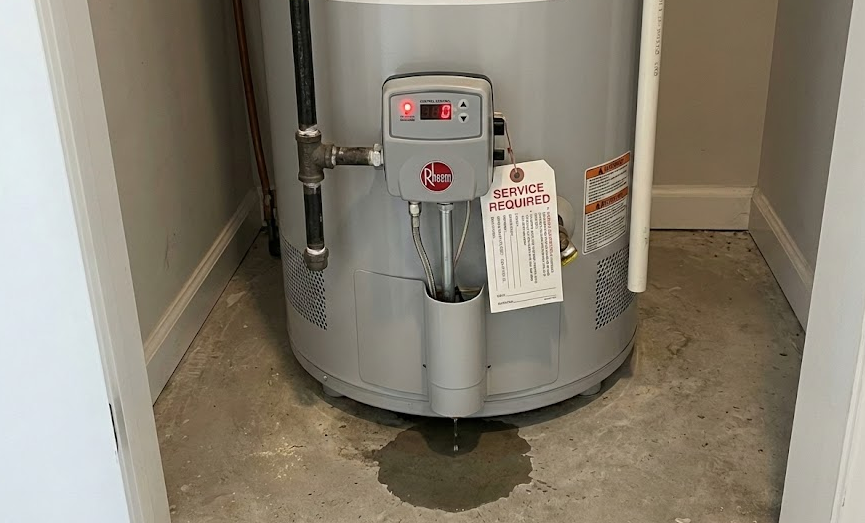
Low hot water supply happens when the heater cannot keep up with demand or when heating components are weakened. Sediment buildup is one of the biggest culprits, especially in older tanks. Over time, minerals settle at the bottom and create a barrier between the heating element and the water itself, making the heater work harder while delivering less.
- Mineral buildup in the tank slows heating
- The thermostat may be set too low or malfunctioning
- Heating elements (electric) or burners (gas) may be worn or dirty
What Are Effective Solutions for Insufficient Hot Water?
The fix depends on the cause. Many issues can be resolved by cleaning, adjusting, or replacing individual components rather than replacing the entire unit. Simple steps like adjusting thermostat settings or flushing the tank can restore a noticeable amount of performance.
- Flush the tank to remove sediment and restore heating efficiency avoiding water damage
- Adjust or replace the thermostat to ensure accurate temperature control
- For gas heaters, clean burners and ensure a strong, steady flame
If these steps do not improve performance, the heating elements (electric) or dip tube may need inspection and replacement by a professional.
How Does Water Heater Size Affect Hot Water Availability?
A water heater can only deliver as much hot water as it is sized to produce and store. If your household has grown, or your water heating habits have changed, your current system may simply be undersized. When several fixtures run at once, smaller tanks run out quickly and take time to recover.
- Larger households or frequent showers strain smaller tanks
- Running the dishwasher and laundry back-to-back accelerates temperature drop
- Upgrading to a larger tank or tankless system improves output and efficiency
If your water heater has no mechanical issues but still cannot keep up, it’s not failing. It’s just too small for your home’s lifestyle and needs.
How to Troubleshoot Different Types of Water Heaters?
Different water heaters behave differently when something goes wrong. The symptoms may look similar (low heat, no heat, short supply), but the cause and solution depend on the system’s design. The matrix below helps you understand where the issue is likely coming from and what the first step should be.
| Water Heater Type | Common Issues | What You Can Check | Likely Fix | When to Call a Pro |
|---|---|---|---|---|
| Electric Tank Water Heater | Slow heating, lukewarm water heating, or no hot water | Check thermostat setting, listen for crackling, confirm breaker is not tripped | Flush tank to remove sediment, adjust thermostat | Replace heating elements, diagnose wiring or electrical faults |
| Gas Tank Water Heater | No flame, weak flame, inconsistent heating | Check pilot light, make sure gas valve is open | Relight pilot, clear burner debris | Burner replacement, gas line or thermocouple repair |
| Tankless Water Heater | Short bursts of hot water, fluctuating temperatures | Check for hot water heater error codes, confirm water flow is adequate | Clean inlet filter, descale heat exchanger | Professional descaling, valve replacement, flow sensor diagnosis |
| Heat Pump Water Heater | Long recovery time, cool output, high energy use | Confirm it is not installed in a cold, cramped area | Clear airflow around the unit | Compressor issues or refrigerant-related repairs require a technician |
| Hybrid Systems (Tank + Demand Assist) | Inconsistent temperature during peak use | Check thermostat modes (Eco vs Standard) | Adjust settings to higher output mode | Component alignment and control board issues require pro-level test |
This table does not replace hands-on diagnosis, but it keeps troubleshooting grounded and avoids guesswork. If you are ever unsure, stop where comfort ends and safety begins. That is the professional line.
How Much Does Water Heater Repair and Replacement Cost?
Water heater costs vary based on the type of system, age, size, and how easy it is to access and service. Minor fixes are relatively affordable. Major internal failures or systems at end-of-life tend to move the situation toward replacement. Understanding typical cost ranges helps you plan without surprise.

HVAC Replacement Cost Calculator
Easily estimate the cost of a new HVAC system for your home with this awesome calculator!
Thanks, Kevin with Top Shelf Heating & Cooling will contact you soon
What type of home do you own?




Which system do you need to replace and/or repair?
If you are not sure what you need, simply choose the HVAC system that you currently have in your home.

Where is your HVAC system currently located?



Gas Furnace
Select the square footage of your home below to see the average price of a new Gas Furnace installed, including parts and labor. Prices can be lower or higher depending on other factors.
Gas Furnace & Air Conditioner Unit
Select the square footage of your home below to see the average price of a new Gas Furnace & Air Conditioning System installed, including parts and labor. Prices can be lower or higher depending on other factors, these are simply median prices for an entire HVAC system replacement.
Electric Furnace (with Heat Pump)
Select the square footage of your home below to see the average price of a new Electric Furnace installed, including parts and labor. Prices can be lower or higher depending on other factors.
Air Conditioner Unit
Select the square footage of your home below to see the average price of a new Air Conditioner & System installed, including parts and labor. Prices can be lower or higher depending on other factors.
Hybrid Heat
Select the square footage of your home below to see the average price of a new Hybrid Heat System installed, including parts and labor. Prices can be lower or higher depending on other factors.
Last Details & Extras
Do you want to learn about our air quality products? Check all that apply:
Approximate Total Costs:
The final estimated price is :
Summary
| Description | Information | Quantity | Price |
|---|---|---|---|
| Discount : | |||
| Total : | |||
| Service Type | Typical Cost (Idaho Range) | What This Usually Covers | When It Makes Sense |
|---|---|---|---|
| Thermostat Adjustment or Replacement | $100 to $250 | Thermostat inspection, replacement part, labor | When temperature fluctuates but tank is in good shape |
| Heating Element Replacement (Electric) | $150 to $450 | One or two element replacements, testing, labor | When the heater warms slowly or not at all |
| Pilot Light / Burner Service (Gas) | $120 to $350 | Cleaning, relighting, burner inspection | When water is warm sometimes but not consistently |
| Full Tank Flush and Sediment Removal | $120 to $300 | Drain, flush, sediment removal | Best yearly maintenance to extend system life |
| Dip Tube Replacement | $150 to $350 | New dip tube and labor | When hot water runs out too quickly |
| Tank Replacement (Standard Tank) | $1,200 to $2,800 | New tank, installation, haul away | When the tank leaks or system is 10+ years old |
| Tankless Replacement | $3,200 to $6,800 | New tankless system, installation, venting adjustments | For high-demand homes or efficiency upgrade |
Important Note: Prices vary by accessibility, brand, system size, and home layout. For a more accurate estimate based on your home’s square footage, system type, and energy efficiency goals, use our HVAC Replacement Cost Calculator.
The Final Word on Water Heater Issues
You do not wait for your car to break completely when you see the check engine light or hear a noise. Your water heater works the same way. Small symptoms today are easier to fix than complete water heater failures later.
Let’s get ahead of it. A quick chat can save you real hassle. Just reach out to the team here at Top Shelf Heating & Cooling, where we specialize in helping Boise and Treasure Valley residents with their water heater issues, maintenance, and complete replacements!

 How Long Do Water Heaters Last in Boise? Understanding Lifespan and Replacement Needs