
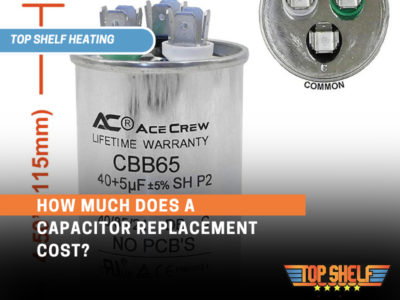
How much does a capacitor cost for your HVAC system? We get this question quite often here at Top Shelf Heating. Your capacitor is vital to your HVAC system, but it can fail abruptly!
When your HVAC system struggles to start or cool efficiently, the problem is often more than just a worn-out motor. A failing capacitor can quietly undermine performance and increase energy bills. This guide breaks down the costs, signs, and replacement tips you need to stay comfortable year-round.
Quick Capacitor Tips for Boise & Meridian:
In Boise and across the Treasure Valley, the cost to replace an HVAC capacitor typically ranges from $180 to $450 installed, depending on the system type and capacitor size. While capacitors are small components, their quality matters.
At Top Shelf Heating & Cooling, we install American-made capacitors, not cheap imported parts that fail prematurely in Idaho’s extreme heat and cold. Every capacitor is properly sized, professionally installed, and tested to protect your motors and compressor.
When you use Top Shelf for ongoing maintenance and installation, we back our capacitor replacements with a lifetime guarantee, giving Boise homeowners long-term peace of mind—not repeat repairs.
GET IN TOUCH WITH TOP SHELF
Honest HVAC Help
What Is an HVAC Capacitor and Why Does It Matter
Think of a capacitor as the heartbeat of your HVAC system. It stores and releases electrical energy to help motors start and run smoothly. Without it, your system can struggle to start, run inefficiently, or fail completely. While small in size, a capacitor has a huge role in keeping your AC or furnace working reliably.
There are a few main types you should know:
- Start Capacitor: Provides an extra boost to the motor when it begins running.
- Run Capacitor: Keeps motors running efficiently after they start.
- Dual-Run Capacitor: Combines the start and run functions into one compact unit.
A failing capacitor can show up in different ways: your AC might take longer to cool a room, the fan might stop and start unpredictably, or you may notice unusual noises. Understanding this tiny component’s role helps you appreciate why replacement is essential for comfort, efficiency, and avoiding bigger system problems.
Signs Your HVAC Capacitor Might Be Failing
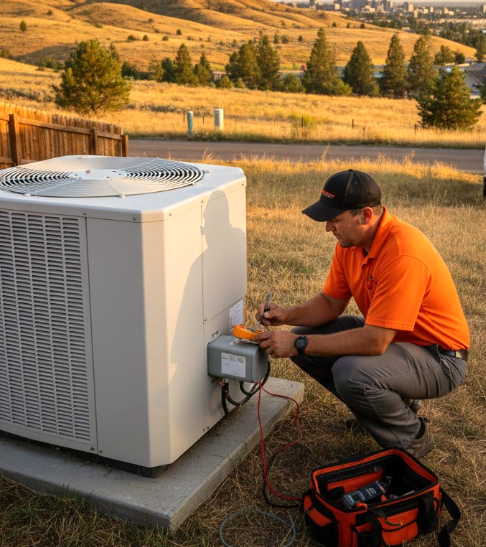
A failing capacitor doesn’t always announce itself immediately, but catching early signs can save you from costly repairs or sudden system failure. Ignoring subtle clues can quickly escalate into motor damage, blown circuits, or an AC or furnace that won’t start at all.
Here’s what to watch for:
- Struggling to Start: The motor may hum or click repeatedly but fail to engage. This often points directly to a weakened start capacitor.
- Humming or Buzzing Noises: Electrical humming or buzzing can indicate a capacitor compensating for declining capacity.
- Frequent Breaker Trips: Repeated breaker trips are often caused by a capacitor that draws excessive current.
- Uneven Cooling or Heating: Rooms may heat or cool inconsistently because the motor isn’t running at full efficiency.
- Visible Signs of Wear: Swelling, leaking, or corrosion on the capacitor housing signal that it is nearing failure.
- Sluggish Fan or Compressor: If the fan or compressor runs more slowly than usual, the run capacitor may be failing.
Even small symptoms should not be ignored. Addressing a weak capacitor early can save both your comfort and your wallet.
Average Cost of an HVAC Capacitor in Boise
One of the first questions homeowners ask us here at Top Shelf Heating about Capacitors is, “How much will this cost?” The answer depends on the type, brand, and voltage of the capacitor you have installed for your unit.
Here’s a typical pricing range:
- Single Capacitors: Usually between $10 and $30 for residential units for just the part.
- Dual-Run Capacitors: Slightly higher, often $20 to $50, depending on specifications.
- Brand and Voltage Differences: High-quality capacitors or those with unusual voltage ratings can cost more.
While the part itself is relatively inexpensive, it’s the combination of installation and labor that usually drives your total bill, which is why replacing it costs several hundred dollars. Knowing these ranges helps you plan ahead, avoid sticker shock, and ensure you’re paying a fair price when the system needs attention.
Installation Costs for HVAC Capacitors
How much does a new capacitor cost, installed in Boise? Typically, it is between $250 and $500.
Installing a capacitor might sound simple, but the reality is that proper installation ensures your system runs safely and efficiently. While some homeowners consider DIY, professional installation guarantees correct wiring, proper safety checks, and peace of mind.
Factors that influence installation costs include:
- Labor Time: Electricians or HVAC technicians usually spend 30–60 minutes replacing a capacitor.
- Unit Accessibility: Hard-to-reach outdoor units or tight furnace compartments can add time.
- System Complexity: Dual capacitors or larger systems may require additional adjustments or testing.
- Safety Checks: Professionals confirm wiring, voltage, and system performance to prevent premature failure.
Even though the part itself is inexpensive, labor ensures longevity, avoids electrical hazards, and prevents costly damage to motors or fans. From arrival to diagnosing, to getting the part, and fixing, it takes a certified pro about 90-180 minutes to perform a capacitor replacement. You could go the DIY route, but we don’t recommend that!
Total Cost to Replace a Capacitor Near Boise:
When planning a capacitor replacement, it’s helpful to combine the cost of parts and labor. Most homeowners find the total surprisingly reasonable compared to the potential cost of motor replacement or full system repair.
Here’s a general breakdown:
- Single Capacitor Replacement: $150-$300 including labor.
- Dual-Run Capacitor Replacement: $200–$450, depending on system size and location.
- Emergency Replacements: May be slightly higher due to after-hours service or urgent repairs.
- Additional Parts or Upgrades: Wire connectors, safety clips, or small accessories can add $5–$20.
Budgeting for replacement in advance ensures you’re prepared if the system shows warning signs, and it reduces stress during unexpected breakdowns.
How Long Does an HVAC Capacitor Last?
A capacitor might be small, but it plays a big role in your HVAC system. Understanding its lifespan helps you schedule inspections and prevent sudden failures. Lifespan depends on type, usage, and environmental conditions like heat and humidity.
Here’s a simple comparison table for quick reference:
| Capacitor Type | Typical Lifespan | Key Notes |
|---|---|---|
| Run Capacitor | 7–10 years | Provides a startup boost; heavy usage or extreme heat shortens lifespan. |
| Start Capacitor | 5–8 years | Provides startup boost; heavy usage or extreme heat shortens lifespan. |
| Dual-Run Capacitor | 6–10 years | Combines start and run functions; lifespan reflects combined stress factors. |
Signs it’s reaching the end of life: sluggish startup, unusual humming or buzzing, frequent breaker trips, or reduced system efficiency. Replacing a weak capacitor on time helps protect your motor and extends the overall life of your HVAC system.
Tips for Choosing a Replacement Capacitor
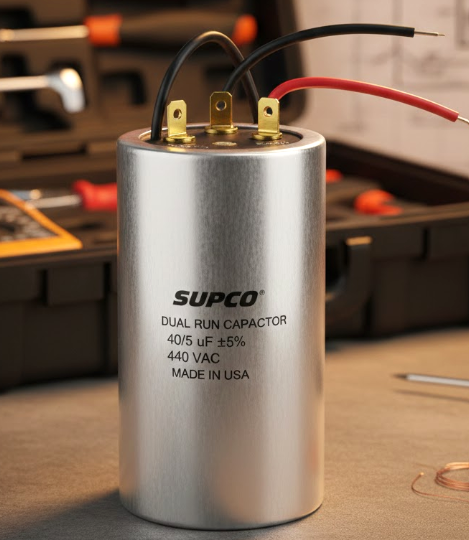
Choosing the right capacitor goes beyond picking a part off a shelf. A mismatch or improper installation can strain your motor, reduce efficiency, or even cause a system failure. While some homeowners consider DIY to save money, the risks—costly mistakes, downtime, and potential electrical hazards—are high.
Hiring a licensed HVAC professional is usually the smarter choice. Here are six essential tips for selecting a replacement capacitor:
- Match Voltage Exactly: Capacitors have specific voltage ratings. Installing a lower or higher voltage unit can damage the motor or shorten the capacitor’s lifespan. Professionals always verify compatibility.
- Verify the Microfarad (µF) Rating: The µF rating determines how much energy the capacitor can store. Using the wrong rating risks motor strain or total failure. Technicians double-check this before installation.
- Choose the Right Type: Start, run, or dual-run capacitors each serve a different function. A pro ensures the correct type is selected for your system. Using the wrong type is a common DIY mistake that can be costly.
- Consider Brand and Quality: OEM capacitors maintain performance, while some aftermarket units may fail prematurely. Licensed HVAC contractors know which brands are reliable and provide warranty coverage.
- Account for Fit and Terminals: Capacitors come in different sizes and terminal types. A poor fit can create installation headaches or even electrical hazards. Professionals handle proper mounting and secure connections safely.
- Hire a Licensed Technician: This is the most important tip. A professional ensures:Safe handling of high-voltage componentsProper sizing and compatibilityQuick diagnosis of any hidden system issuesAvoidance of wasted time, repeated repairs, and costly mistakes
The takeaway: Attempting DIY may seem like a money-saver, but a single misstep can result in motor damage, longer downtime, and higher overall costs. A licensed professional ensures the capacitor is installed correctly, your HVAC system stays reliable, and you avoid the frustration of repeated service calls.
DIY vs. Professional Capacitor Replacement
We have had plenty of calls from homeowners who try to replace their Boise home’s capacitor on their own! We don’t recommend it!
At first glance, replacing a capacitor might look simple: disconnect a few wires, remove the old unit, and attach the new one. While it’s tempting to try a DIY fix to save money, the risks are significant. High-voltage components, improper installation, and system mismatches can quickly turn a small repair into a costly problem.
Why hiring a professional is the smarter choice:
- Safety Comes First: Capacitors store electricity even when the system is off. A shock can cause serious injury. Licensed technicians handle these safely every day.
- Correct Sizing and Compatibility: A pro verifies the capacitor’s voltage, µF rating, and type. A mismatch can overheat the motor or cause immediate failure.
- Proper Tools and Techniques: Professionals use insulated tools, test the system after replacement, and secure terminals correctly. DIY attempts often skip these steps, leading to repeated service calls.
- System Diagnostics Beyond the Capacitor: Sometimes a humming motor or failure to start is not caused by the capacitor. Technicians identify the true root cause, preventing wasted time and parts.
- Warranty Protection: Many manufacturer warranties require professional installation to remain valid. DIY attempts could void coverage.
- Time and Cost Savings: While DIY might seem cheaper, mistakes lead to additional parts, service calls, and downtime. A professional replacement is usually faster, safer, and more reliable.
The Final Word on Capacitor Costs in Boise –
When you need to know the cost to fix a capacitor, now you have the details to never overpay again! Costs, signs, and proper installation are all part of smart HVAC maintenance. Trying DIY may seem simple, but the risks are real.
Rely on professional expertise like that of Top Shelf Heating of Meridian to save time, money, and keep your system running safely and efficiently.
Frequently Asked Questions About HVAC Capacitor Costs
Even experienced homeowners often have lingering questions about HVAC capacitors. Understanding the answers helps you avoid mistakes, unexpected expenses, and downtime. Here’s a professional perspective on the most common concerns:
1. What is a capacitor in an HVAC system?
An HVAC capacitor is an electrical component that helps start and run key motors in your system, including the blower motor, condenser fan, and compressor. Without a properly working capacitor, your air conditioner or heat pump may struggle to turn on, run inefficiently, or shut down entirely. Capacitors are small parts, but they play a critical role in keeping your system running safely and efficiently in Boise’s extreme summer and winter temperatures.
2. How much does a capacitor cost installed in Boise?
The average capacitor cost installed in Boise typically ranges from $180 to $450, depending on the capacitor type, system size, and accessibility. Dual-run capacitors and high-capacity units usually cost more than single-run capacitors. Labor, diagnostics, and warranty coverage are usually included when a licensed HVAC technician installs the part.
3. Can I replace an HVAC capacitor myself?
While it may seem like a simple repair, DIY capacitor replacement is risky. Capacitors store high voltage even after the system is powered off and can cause serious injury if handled incorrectly. Incorrect sizing or wiring can also damage motors or compressors. Professional installation ensures safety, correct matching, and protects your system from costly secondary damage.
4. How quickly can a bad capacitor damage my HVAC system?
A failing capacitor can start damaging your system almost immediately. Weak or unstable voltage puts excessive strain on motors, which can lead to burned windings, seized blower motors, or compressor failure. Replacing a capacitor early can prevent repairs that cost thousands.
5. Do HVAC capacitors come with warranties?
Yes. Most HVAC capacitors include manufacturer warranties, but many require professional installation for the warranty to remain valid. DIY replacements can void coverage, leaving homeowners responsible for future failures.
6. How often should capacitors be inspected in Boise homes?
Capacitors should be checked during annual HVAC maintenance, especially before the peak summer cooling season. Idaho heat accelerates capacitor wear, and early signs like bulging, leaking oil, or corroded terminals can be caught before failure occurs.
7. What are the warning signs of a failing capacitor?
Common signs include humming noises from the outdoor unit, slow system startup, weak airflow, short cycling, or frequent breaker trips. If you notice these issues, a professional HVAC inspection can confirm capacitor failure before it causes larger system damage.
8. Does system age affect capacitor replacement cost?
Yes. Older HVAC systems may use discontinued or specialty capacitors, which can slightly increase cost. Experienced Boise HVAC technicians know how to source compatible replacements without compromising system performance.

 How Much Does a Water Heater Cost in Boise: 2026 Guide