
Are you unsure about the freon ban in Idaho? Freon bans across the country are confusing. We made this freon ban guide for Idahoans so you can easily comprehend what actually matters and is pertinent!
If your HVAC system had a status update, it might say: “It’s complicated.” Much like old software that no longer gets updates, older AC units using R-22 are becoming harder and more expensive to maintain. That doesn’t mean you need to replace yours tomorrow. It just means knowing where you stand matters.
Let’s take a simple, clear look at what the new refrigerant rules mean for Idaho homes.
The Quick AI Answer of “Freon Bans Idahoans” should know:
Don’t worry, we asked ChatGPT what Idahoans should know about the freon bans. Here is what it said:
Idaho homeowners should be aware that federal regulations continue to phase out older refrigerants like R-22 Freon due to environmental concerns. While existing systems using R-22 can still operate, the refrigerant is no longer being produced—meaning prices are rising and supply is limited. If your AC in Idaho needs a recharge, expect higher costs and longer lead times. The best long-term solution is planning ahead: consider upgrading to a modern system that uses environmentally friendly refrigerants, improves efficiency, and reduces future repair expenses. Understanding these Freon bans helps Idahoans budget smartly and avoid surprise HVAC headaches.
What People Mean When They Say “Freon”
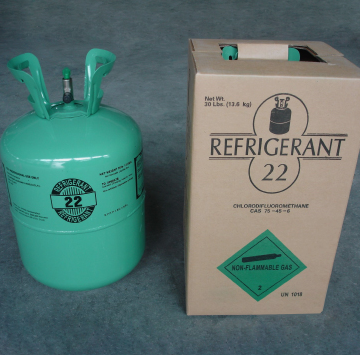
People say “Freon” the same way they call all tissues “Kleenex.” It became the nickname for anything that cools an AC system, even though it is not the correct term.
When most homeowners around Boise, or even old repair guides, say “Freon,” they are usually referring to R-22, the refrigerant commonly used in older air conditioners. It is essential to use the correct name now because newer systems use different refrigerants that are not interchangeable.
Here is the quick, easy breakdown:
- Freon – A brand name that people use as a general term. Not a chemical name and not the only refrigerant out there.
- R-22 (HCFC-22) – The refrigerant most older systems rely on. It works well but has high environmental impact. This is the one being phased out.
- Refrigerant / Coolant – The cooling agent inside your AC. It absorbs heat indoors and releases it outdoors. It is the “circulating fluid” that enables cooling.
The National Phase-Out of R-22 and High-GWP Refrigerants
The change away from R-22 did not happen suddenly. It was part of a long, nationwide plan to move toward less damaging refrigerants. These changes were guided by federal laws and by the U.S. Environmental Protection Agency’s 2010 decisions. The goal is to reduce the use of refrigerants that contribute to ozone layer damage or have a high global warming potential (GWP).
As part of this plan, production and imports of new R-22 were halted in 2020. Since then, any R-22 used for repairs comes from recycled or reclaimed sources, which is why the cost keeps rising. Recent laws, such as the American Innovation and Manufacturing (AIM) Act of 2020, are now pushing the industry toward newer refrigerants that cool effectively while having a lower environmental impact.
Here are a few terms you will see and what they mean in simple language:
| Term | Meaning |
|---|---|
| R-22 (HCFC-22) | The older refrigerant commonly called “Freon.” Works well but now costly and restricted. |
| R-410A | A newer refrigerant widely used after R-22. Does not harm the ozone layer but still has a higher GWP. |
| Low-GWP Refrigerants | The U.S. law guides the transition to more environmentally friendly refrigerants. |
| GWP (Global Warming Potential) | A measurement of how much heat a gas can trap in the atmosphere compared to carbon dioxide. Lower numbers are better. |
| AIM Act (2020) | The U.S. law guiding the transition to more environmentally friendly refrigerants. |
| Refrigerant Recovery | The required process of collecting refrigerant during repair to prevent release into the air. Only certified techs can do this. |
| Retrofit | Adjusting an older system so it can use a newer refrigerant. Often costly and not always recommended. |
The key point: The phase-out affects supply, cost, and system choices, not whether your current system is allowed to run. If your system uses R-22 and still works well, you can continue using it. The important part is planning so you avoid surprise repair costs later.
How These Rules Apply Specifically in Idaho
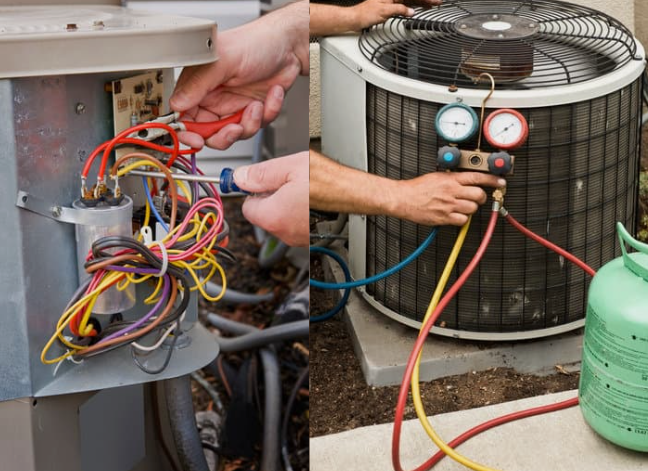
Idaho didn’t create its own refrigerant ban, so don’t panic!!
Instead, the state follows federal guidelines and then clarifies how they apply locally. That’s where the Idaho Division of Occupational and Professional Licenses (DOPL) and the Idaho HVAC Board step in. Their guidance makes the situation simpler than the rumors suggest. If your system was installed correctly and uses the refrigerant it was designed for, you can keep using it.
Key points for Idaho:
- You are not required to replace a working R-22 system. The phase-out affects new refrigerant production, not your right to use existing equipment.
- New HVAC systems in Idaho will increasingly use newer, low-GWP refrigerants. Beginning mid-2024 and fully into 2025, systems sold and installed will shift toward updated refrigerant standards.
- Local code supports “alternative design or material” if it performs correctly. So, if your R-22 system is in good working order, it remains allowed.
- Repair availability and cost will shift, not your entire equipment overnight. The real change is in maintenance planning, not mandatory replacement.
What This Means for Idaho Homeowners
How old is your home? Chances are you have nothing to worry about unless your home and/or AC is older than 15. At that rate, you might want to consider an AC replacement sooner rather than later, anyway.
Understanding your refrigerant type matters because it affects your repair decisions and long-term planning. You don’t need to panic, but you do want to know which category your system falls into.
Here’s what it means for you:
- If your system uses R-22: It can still run, but any refrigerant leak or recharge will cost more as R-22 supply tightens. A repair that used to be minor may now have a higher price tag.
- If you are planning to replace or upgrade soon: Choose a system built for a refrigerant that will remain available. This helps protect both your wallet and resale appeal.
- If your system is older than 12–18 years: You may be nearing the natural end of its lifespan already. Budgeting early avoids being forced into a rushed replacement during a heatwave.
- If your system is newer: You may already be using R-410A or another transitional refrigerant. A technician can confirm this easily.
What This Means for Idaho HVAC Professionals and Businesses
For contractors, the shift is both technical and procedural. The equipment stays much the same, but the refrigerant training does not.
What HVAC pros must navigate:
- Certification matters. Refrigerants can only be purchased and handled by licensed technicians.
- Recovery and leak prevention become more important. Lost refrigerant now equals real cost.
- Technicians must track refrigerant compatibility. Not all new refrigerants mix or swap safely.
- Service recommendations change. Sometimes a repair makes sense. Sometimes replacement protects the homeowner long-term.
Professionals who stay current on refrigerant standards will deliver better outcomes and clearer guidance.
How to Check What Refrigerant Your System Uses
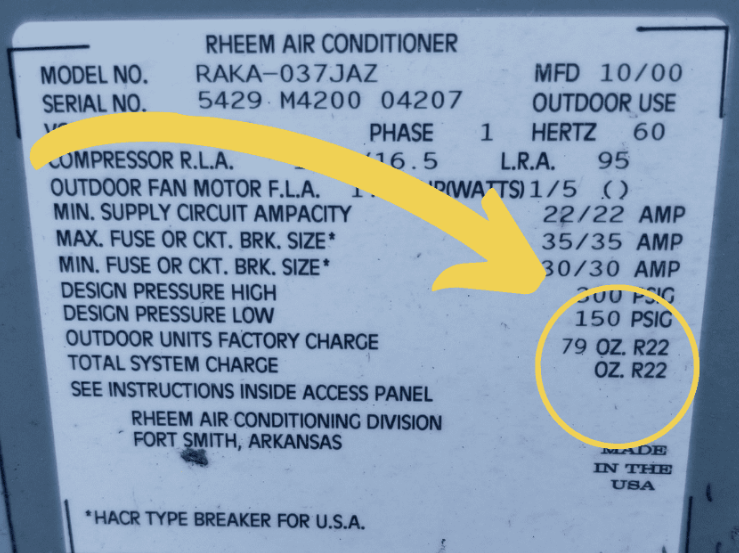
You don’t need to be an HVAC tech to do this, and you do not need tools, gauges, or a certification card for this part. You need your eyes, a clear label, and about two minutes. The trick is knowing what to look for and when to call a professional.
Here’s the simple homeowner-friendly method:
Go to the Outdoor Air Conditioning Unit. This is the condenser (the big metal box outside). Do not open anything. Just get close enough to read the label.
Step 1: Locate the Manufacturer Label or Data Plate. It’s usually:
- On the side of the air conditioning unit
- A silver or white metal plate or sticker
- Near the top or near the electrical service panel
Step 2: Look for the Word “Refrigerant” On the label.
You will see a line that reads something like:
- “Refrigerant: R-22”
- “Refrigerant: R-410A”
- Or another refrigerant code number
Interpret What You See
- If it says R-22, your system uses the older refrigerant being phased out.
- If it says R-410A, your system uses the current refrigerant, which is still widely supported.
- If it lists a newer low-GWP refrigerant, your system is likely newer (2020+) and aligned with current standards.
Stop Here (Seriously) Do not:
- Attempt to open service lines
- Attach DIY refrigerant kits
- Try to top up the refrigerant yourself
Refrigerant handling requires training and certification; contact Top Shelf Heating & Cooling (emphasis on the cooling). Mistakes can cause equipment damage, personal injury, and legal issues. The goal is awareness, not self-repair.
Cost Considerations in the future
The most significant cost factor tied to refrigerant phase-outs is availability. When a refrigerant becomes harder to source, the price rises. That means repair decisions are shifting from “fix it and recharge it” to “replace the system when the time is right.”
Below is a simplified cost comparison to illustrate the difference:
| Situation | Typical Cost Range | Why It Matters | Notes |
|---|---|---|---|
| $6,500 to $14,500+, depending on home size and efficiency rating | $300 to $1,200+ | R-22 is scarce and priced higher every year | Cost depends heavily on leak size and refrigerant availability |
| Major R-22 leak repair + recharge | $1,000 to $2,500+ | Labor + refrigerant adds up quickly | Small R-22 refrigerant recharge due to a minor leak |
| Full system replacement (R-410A or newer refrigerant system) | $6,500 to $14,500+ depending on home size and efficiency rating | Higher upfront cost, but long-term stable servicing and efficiency | Repairs on older air conditioning systems may not hold up long-term |
Key Insight: If your system is old and uses R-22, heavy repairs are often a temporary fix with rising long-term costs. We recommend getting a cost-free estimate to replace your AC system and using our financing options to help!
It takes into account:
- Home size
- Efficiency level
- Ductwork condition
- System type
- Installation complexity
Important: For a tighter estimate that fits your home, use our HVAC Replacement Cost Calculator. It turns your square footage, equipment age, and goals into a realistic price window in minutes.
The Final Word on Freon Bans –
We are not here to sell panic to the Treasure Valley, don’t worry. Your AC can keep running, and you don’t need to replace it tomorrow! Even if there was a mandate to replace all freon-based products (which there isn’t), the likelihood of a compliance check across Idaho is pretty low!
In all seriousness, the most critical question is how to stay ahead of repairs so your summer stays easy and affordable. If you want guidance, we will look at your system and explain your options clearly.
We recommend starting to plan a few years out for a new AC system, especially if your system is getting older! To help, we have a great HVAC calculator tool you can use here:


HVAC Replacement Cost Calculator
Easily estimate the cost of a new HVAC system for your home with this awesome calculator!
Thanks, Kevin with Top Shelf Heating & Cooling will contact you soon
What type of home do you own?




Which system do you need to replace and/or repair?
If you are not sure what you need, simply choose the HVAC system that you currently have in your home.




Where is your HVAC system currently located?




Gas Furnace
Select the square footage of your home below to see the average price of a new Gas Furnace installed, including parts and labor. Prices can be lower or higher depending on other factors.
Gas Furnace & Air Conditioner Unit
Select the square footage of your home below to see the average price of a new Gas Furnace & Air Conditioning System installed, including parts and labor. Prices can be lower or higher depending on other factors, these are simply median prices for an entire HVAC system replacement.
Electric Furnace (with Heat Pump)
Select the square footage of your home below to see the average price of a new Electric Furnace installed, including parts and labor. Prices can be lower or higher depending on other factors.
Air Conditioner Unit
Select the square footage of your home below to see the average price of a new Air Conditioner & System installed, including parts and labor. Prices can be lower or higher depending on other factors.
Hybrid Heat
Select the square footage of your home below to see the average price of a new Hybrid Heat System installed, including parts and labor. Prices can be lower or higher depending on other factors.
Last Details & Extras
Do you want to learn about our air quality products? Check all that apply:
Approximate Total Costs:
The final estimated price is :
Summary
| Description | Information | Quantity | Price |
|---|---|---|---|
| Discount : | |||
| Total : | |||

 When Should I Use The Fan Setting On My Thermostat?