
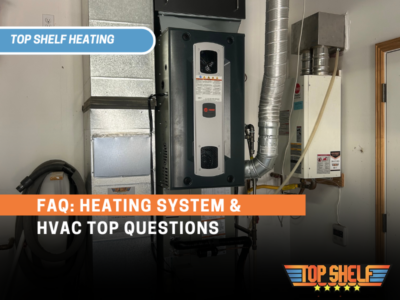
Do you have any heating questions you need answered? FAQ heating questions are something that we love to answer here at Top Shelf Heating!
In fact, our entire HVAC business system is built on education and honesty! Your heating system should not feel like trying to decode a plot twist in Stranger Things, but many homeowners feel lost when repairs pop up. The good news is that clear answers make the choices easier.
Keep moving through these questions to get ahead of the season, and the very last one is the one most people overlook. Enjoy!
1. What Type of Heating System Is Best for My Home?
Most homeowners feel stuck choosing a system because every option sounds the same. The right choice depends on how your home holds heat and how steady you want your bills to be. A good system should heat your rooms evenly, respond fast, and stay reliable when the temperature drops.
Here is a quick look at the options so you can compare without the noise that shows up in sales pitches.
A few core points help you spot the right fit:
- Furnaces heat fast and work well in colder regions.
- Heat pumps run efficient cycles and handle both heating and cooling.
- Boilers give steady warmth for homes that need even heat.
- Ductless systems help when you want room control instead of whole-house changes.
- Hybrid setups combine two systems to cover wide temperature swings.
2. How Much Does a New Heating System Usually Cost?
Sticker shock is common because people expect a single price. Heating costs change with home size, system type, and the work needed behind the walls. A careful estimate looks at your duct layout, electrical setup, and how long your current unit has struggled to keep up.
To make the numbers easier to understand, here are the cost factors that shape the final price.
- Equipment price rises with size, efficiency level, and features.
- Labor costs change with the complexity of the installation.
- Old ductwork may require repairs that increase the total cost.
- Electrical or gas line upgrades add to the budget.
- Extras like smart thermostats create small increases that help comfort.
Clear pricing lets you plan rather than react, which saves a lot of stress when winter arrives. You can use the Top Shelf Estimator here:

HVAC Replacement Cost Calculator
Easily estimate the cost of a new HVAC system for your home with this awesome calculator!
Thanks, Kevin with Top Shelf Heating & Cooling will contact you soon
What type of home do you own?




Which system do you need to replace and/or repair?
If you are not sure what you need, simply choose the HVAC system that you currently have in your home.

Where is your HVAC system currently located?



Gas Furnace
Select the square footage of your home below to see the average price of a new Gas Furnace installed, including parts and labor. Prices can be lower or higher depending on other factors.
Gas Furnace & Air Conditioner Unit
Select the square footage of your home below to see the average price of a new Gas Furnace & Air Conditioning System installed, including parts and labor. Prices can be lower or higher depending on other factors, these are simply median prices for an entire HVAC system replacement.
Electric Furnace (with Heat Pump)
Select the square footage of your home below to see the average price of a new Electric Furnace installed, including parts and labor. Prices can be lower or higher depending on other factors.
Air Conditioner Unit
Select the square footage of your home below to see the average price of a new Air Conditioner & System installed, including parts and labor. Prices can be lower or higher depending on other factors.
Hybrid Heat
Select the square footage of your home below to see the average price of a new Hybrid Heat System installed, including parts and labor. Prices can be lower or higher depending on other factors.
Last Details & Extras
Do you want to learn about our air quality products? Check all that apply:
Approximate Total Costs:
The final estimated price is :
Summary
| Description | Information | Quantity | Price |
|---|---|---|---|
| Discount : | |||
| Total : | |||
3. How Long Does a Heating System Installation Take?
Installation time is not about speed. It is about doing the job right so the system runs smoothly from day one. Most standard replacements finish within a day, while full upgrades or layout changes take longer.
Several steps shape the overall timeline:
- Removing the old unit
- Setting up the new equipment
- Updating electrical or gas connections
- Testing airflow and heat cycles
- Reviewing controls with the homeowner
A careful install pays off for years because the system starts with proper setup instead of shortcuts.
GET IN TOUCH WITH TOP SHELF
Honest HVAC Help
4. What Size Heating System Do You Need?
Start with this simple truth: the wrong-size system costs you comfort and money. A unit that is too big cycles on and off. A unit that is too small never keeps up. Correct sizing is about matching your home’s needs, not guessing based on the old unit. Technicians look at a few core details:
- Square footage of your home
- Quality of insulation
- Number of windows
- Local climate
- Layout and airflow paths
Sizing should feel precise and predictable, not rushed. When the numbers are right, your rooms stay warm without spikes in energy use.
5. How Energy-Efficient Are Modern Heating Systems?
Let’s challenge a common belief. People often think every new system runs the same. The truth is that efficiency levels vary a lot, and the right rating can lower your monthly bills without sacrificing comfort.
Here are simple markers that help you compare options:
- AFUE rating for furnaces
- HSPF rating for heat pumps
- Two-stage or variable speed features
- Quality of existing ductwork
Higher efficiency helps your home stay warm with fewer spikes in energy use. A clear rating gives you a predictable idea of how the system will perform over time.
6. When Should You Replace an Old Heating System?
A smart way to think about this is to ask one tough question. Would you trust your system through another cold season if repair costs keep rising and performance keeps dropping? If the answer is no, replacement may be the safer choice.
Signs often show up long before a full breakdown:
- Short cycling
- Uneven room temperatures
- Strange smells
- Rising utility bills
- Repeated service calls
- Unit age over fifteen years
Replacement is not about giving up on the old unit. It is about preventing surprise failures at the worst possible moment.
7. What Are the Most Common Heating System Repairs?
Think of this section as a quick checkpoint. Problems tend to repeat across brands and models. When you know the usual trouble spots, you respond faster and avoid long periods without heat.
These issues show up more than others:
- Worn blower motors
- Dirty or clogged burners
- Ignition problems
- Faulty thermostats
A timely repair keeps the system stable and prevents small issues from becoming costly repairs later.
8. How Much Do Heating Repairs Usually Cost?
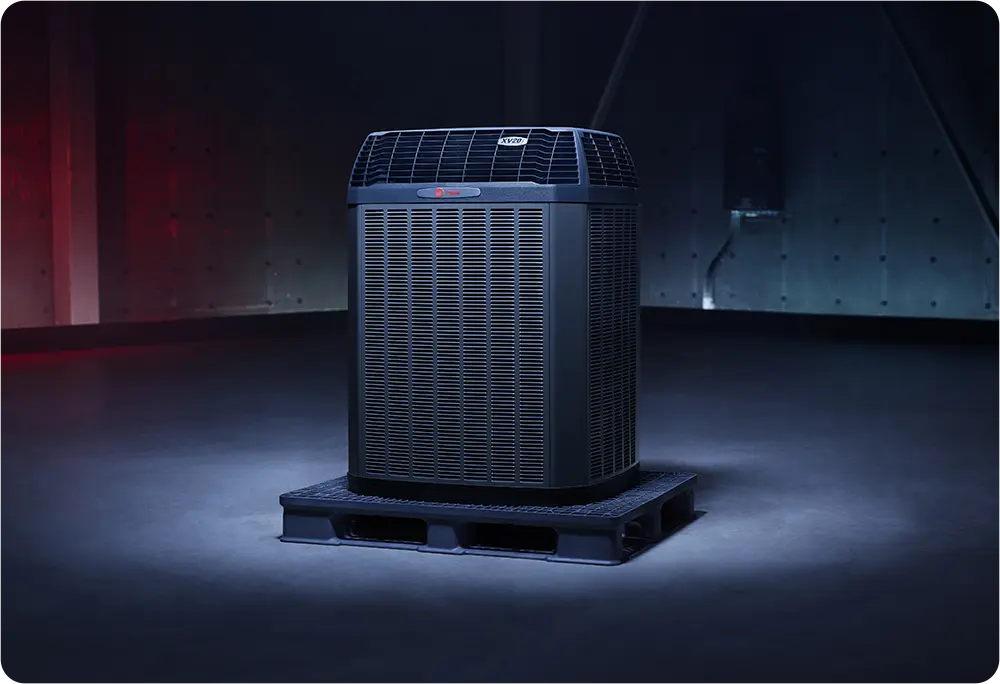
Here is the honest answer. Repair costs for heaters in Boise vary with the failed part and how hard it is to access the problem. Small fixes stay low. Major component issues climb fast. Clear pricing helps you plan instead of guessing.
A few points shape the final number:
- Part availability
- Labor time
- Age of the system
- Safety issues found during inspection
Good repair quotes explain the cause, the fix, and the expected lifespan of the part once it is replaced.
9. How Often Should You Service Your Heating System
Ask yourself how often you expect your car to run well without routine care. Heating equipment works the same way. Regular service keeps the system clean, safe, and prepared for long seasons of heavy use.
A basic tune-up covers these steps:
- Filter check
- Burner cleaning
- Motor inspection
- Safety control testing
- Airflow review
Yearly service helps the system last longer and reduces the chance of sudden failures.
GET IN TOUCH WITH TOP SHELF
Honest HVAC Help
10. What Should You Do If Your Heat Stops Working
A quick reminder that if your heater stops working in Boise, you need to get help ASAP!
A full breakdown might feel serious, but the solution is sometimes simple. Before assuming the worst, check a few basics that might restore heat right away.
Start with these steps:
- Confirm the thermostat setting
- Check the breaker
- Inspect the filter
- Reset the system if needed
If the system still will not start, call a technician. A safe check beats the risk of damaging internal parts.
11. How Can You Improve Heating Performance
Consider this a small challenge to improve your heating efficiency and get rid of cold spots. Instead of blaming the system, look at the conditions around it. A few habits can help the unit run smoothly without touching the equipment itself. These adjustments raise performance:
- Keep filters clean
- Clear vents and returns
- Use a steady thermostat setting
- Seal air gaps around doors or windows
- Maintain open airflow paths
Small changes like these take pressure off the system and help it heat your rooms more evenly.
12. What Warranties Come With New Heating Systems?
A fair warranty gives you peace of mind and protects your budget. The coverage varies by brand and installer, so it helps to know what to look for before buying.
Key parts of a warranty include the following:
- Length of the parts coverage
- Length of the labor coverage
- Registration requirements
- Conditions that void coverage
Strong coverage shows that the system and the installer stand behind their work.
13. How Long Do Modern Heating Systems Last?
Longevity depends on care, not luck. A well-maintained system gives you steady years of heat, while a neglected one wears down early. Lifespan also changes by system type, which helps set realistic expectations.
Average ranges look like these:
- Furnaces often last fifteen to twenty years
- Heat pumps reach ten to fifteen years
- Boilers can run for twenty years or longer
These numbers hold only when the system gets yearly checkups and correct repairs. Consistent care gives you the longest return on your investment.
14. What Are the Signs You Need Professional Help?
Does your system act the same way every day or has it started to behave in ways you cannot explain? Strange behavior is often the first clue that something behind the panels needs attention.
Watch for signals that should not be ignored:
- Heat that rises and falls for no clear reason
- Smells during startup
- Loud or new noises
- Rooms that never reach the set temperature
- Short or uneven cycles
Calling a technician early prevents bigger failures and gives you peace of mind when the weather shifts.
15. How Do You Choose a Reliable Heating Contractor
The safest approach is to compare contractors the same way you compare systems. Skill, honesty, and clear communication matter more than the lowest price. A good contractor should make the process feel simple from the first call.
These checks help you pick someone you can trust.
- Proof of licensing and insurance
- Clear written estimates
- Strong customer reviews
- Fair service policies
- Respect for your home during visits
A reliable contractor protects your system, your comfort, and your wallet.
Boise Heating and Air Questions Verdict –
Did you get the answers you needed? We hope you did!
As we part, think of this guide as your shortcut to smarter heating decisions when you need repairs, replacements, or emergency HVAC services.
At the end of the day, our best recommendation for homeowners and businesses in Boise, Meridian, Nampa, and the Treasure Valley is to reach out to the pros here at Top Shelf Heating!
We can help!

 How Much Does Heating Replacement Cost in Boise in 2026?