
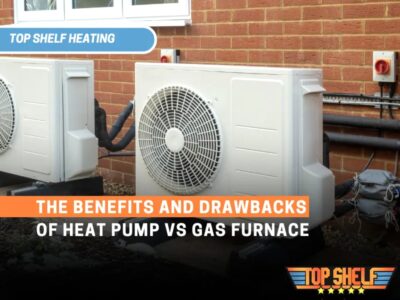
What is better a heat pump or gas furnace?
What if your heating system is secretly draining your wallet—or worse, your air? That “efficient” setup you trust each winter could be hiking up bills, wasting fuel, and messing with your indoor air quality. And when it doubles as your air conditioning source, every choice matters year-round. Whether you’re leaning toward central heating with a gas furnace or considering a sleek heat pump installation, one decision could make or break your comfort for the next decade.
Stick around—we’re breaking down the pros, cons, and myths so you can stop guessing and start thinking smarter.
Heat Pumps 101—Cool Trick, Warm Payoff

Heat pumps don’t create heat—they relocate it. That’s right. While gas furnaces burn propane or natural gas to generate warmth, air source heat pumps use electricity to pull heat from the outside air, even when it’s cold, and transfer it indoors. It’s not magic, it’s innovative science with real-life savings. And unlike systems that carry the risk of a gas leak, heat pumps sidestep combustion altogether, making them safer and more environmentally friendly.
These systems often pair with an air handler inside your home to circulate heated or cooled air throughout the year. With one unit handling both heating and air conditioning, you free up space and simplify the system. Add in the fact that heat pumps don’t spew greenhouse gas emissions like traditional fuel-burning systems, and it’s easy to see why they’re gaining ground in modern homes, especially with those juicy tax incentives for energy-efficient upgrades.
Why so many Boise and Treasure Valley homeowners are switching to heat pumps:
- Dual-purpose system: One unit handles both heating and cooling
- Energy efficient: Uses electricity to move heat, not burn fuel
- Cleaner indoor air: No combustion = no gas leaks or soot
- Lower emissions: Cuts down greenhouse gas emissions
- Safety boost: No open flames or carbon monoxide concerns
- Financial perks: May qualify for tax credits and utility rebates
- Works in reverse: Cools your home in summer like a standard AC
The best part? You don’t need sub-zero winters to make a heat pump worthwhile. If you’re in a moderate climate and want consistent comfort with less environmental baggage, this “cool trick” might just be your warmest win.
Gas Furnaces—The OG Heating Powerhouse
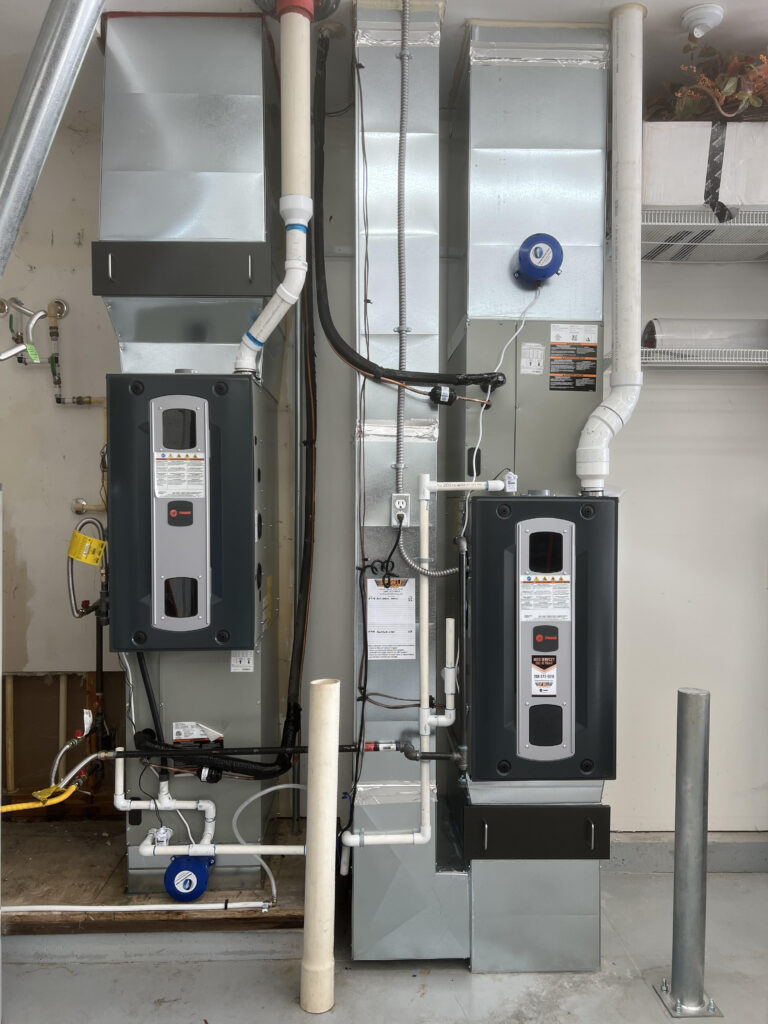
If heat pumps are the new kids on the block, gas furnaces are the seasoned pros who’ve kept homes warm for generations. Before smart thermostats and sleek HVAC apps, there was the roar of a boiler or furnace kicking in on a freezing night—and it still delivers that unmatched, bone-deep warmth.
Gas furnaces burn natural gas or oil to produce direct, high-BTU heat quickly. They don’t rely on outdoor conditions or complex refrigerant cycling like heat pumps. So when the wind howls and the temperature drops into the 20s or lower, these systems shine, especially in homes already equipped with duct systems and older HVAC setups. And if you’ve recently had a heat pump installed, some homeowners still use a gas furnace as a backup during extreme cold snaps.
What they lack in flash, they make up for in raw performance. Plus, they’re often more compatible with existing systems, especially in homes where electric heating would struggle to keep up.
Why gas furnaces still hold their ground:
- Ideal for colder climates with long winters
- Delivers heat faster than most electric systems
- Keeps working even when power flickers (if equipped with a standing pilot)
- Works with existing duct and HVAC layouts
- Often cheaper to install than a full heat pump system
- Decades of reliable use with simple technology
- Easily connects with existing air conditioning systems
Heat Pump vs Gas Furnace: Head-to-Head—Efficiency, Comfort, and Cost
Choosing between a gas furnace and a heat pump isn’t just a style preference—it’s a numbers game. And in this matchup, the winner depends on your climate, your home’s layout, and how much you’re willing to invest upfront versus what you want to save long-term. Some homeowners just want the warmest basement in the neighborhood. Others want to cut their carbon footprint without sacrificing comfort. Either way, comparing the two side by side reveals just how different these heating systems really are.
One key factor? Location. In colder regions, furnaces deliver strong, steady heat without depending on outdoor air temperatures. In milder zones, a ground source heat pump or air-source model can run year-round at a fraction of the cost. And don’t forget comfort—how fast your space heats, how consistent it stays, and how well it pairs with your thermostat or existing boiler setup all come into play.
Efficiency:
- Heat pump: Highly efficient in mild-to-moderate climates
- Gas furnace: Can lose efficiency below 80–90% depending on age and maintenance
Comfort:
- Heat pump: Maintains steady temperatures with longer run times
- Furnace: Heats quickly and powerfully, great for freezing nights
Cost:
- Heat pump: Higher upfront installation but lower monthly energy bills
- Furnace: Lower initial cost, but fuel bills (gas or oil) can fluctuate seasonally
Safety:
- Heat pump: No flames, no carbon monoxide, no risk of gas leaks
- Furnace: Requires ventilation and carbon monoxide detectors
Lifespan & Maintenance:
- Heat pump: Lasts 10–15 years with regular tune-ups
- Furnace: Can last 15–20 years, especially if paired with a boiler or used seasonally
In short, there’s no universal winner—only what works for your home, your climate, and your budget. Whether you’re trying to shrink your carbon footprint or heat your basement without cranking the thermostat to 85, your perfect match is the system that balances power, comfort, and peace of mind.
What Most People Get Wrong About Both
Some say heat pumps don’t work in cold weather. Others think furnaces are always cheaper and more powerful. Most of that? Misleading, outdated, or just plain wrong.
Heating technology has come a long way, but myths persist like static cling in winter. Whether it’s confusion about natural gas, fears of high humidity, or total faith in the thermostat to fix everything, there’s plenty of noise clouding smart decisions.
Modern air conditioning and heating systems are more advanced than ever. New heat exchangers are built to perform in colder climates, and cold-weather heat pumps can pull heat from the air even when temperatures dip below freezing.
On the furnace side, many assume natural gas is always the cheapest fuel—but with fluctuating petroleum prices and efficiency upgrades in electric systems, that’s no longer a safe bet.
Common misconceptions about Heat Pumps debunked:
- “Heat pumps can’t handle cold winters.” – New models now heat effectively in sub-freezing conditions thanks to variable-speed compressors and smart defrost tech.
- “Furnaces are always cheaper to run.” -Not in areas with volatile natural gas or petroleum costs. Efficiency and energy rates matter more than ever.
- “You can just set the thermostat and forget it.” – Poorly placed or uncalibrated thermostats can throw off both systems, leading to short cycling or overuse.
- “Heat pumps can’t control humidity.” – Actually, they often do a better job at dehumidifying than older air conditioning setups—great for sticky Southern summers.
- “Furnaces are always faster at heating.” – True in extreme cold, but heat pumps offer more consistent temps, reducing dramatic swings and wasted energy.
- “A bigger system means better performance.” – Oversized systems can short-cycle, wear out faster, and lead to poor airflow and uneven heating.
Which One Fits Your Home—and Your Climate?

The perfect system isn’t just about saving energy—it’s about matching your home to your climate, layout, and daily comfort needs. You wouldn’t wear flip-flops in a snowstorm, so why install a system built for Miami in the middle of Montana? Whether you’re weighing electric heating or installing heat pumps, your geography, home size, and existing HVAC setup all influence what will actually keep you warm without draining your wallet.
Heat pumps shine in mild to moderate climates. They work especially well in homes with modern insulation and efficient ductwork. Meanwhile, traditional gas or oil furnaces—with their powerful heat exchangers—still dominate in regions with long, freezing winters. If you’ve already got a solid air conditioning system in place, some upgrades may be easier than others. And for the best of both worlds, hybrid or dual-fuel setups offer flexibility that adapts with the weather.
Here’s how to match system to setting:
- Mild climate, good insulation? A heat pump is efficient, clean, and handles both heating and air conditioning in one unit.
- Cold climate, long winters? A furnace with a high-efficiency heat exchanger delivers steady, powerful heat that doesn’t rely on outdoor air.
- All-electric home? Consider installing heat pumps or hybrid systems to reduce reliance on high-cost electric heating.
- Existing gas furnace, aging AC unit? A dual-fuel HVAC system lets your furnace handle freezing temps while the heat pump works spring through fall.
- Off-grid or renewable energy setup? Heat pumps pair well with solar and other low-carbon systems.
Heat Pump vs Gas Furnace: Smart Answers to Hot Questions

1. Which is more energy-efficient: a heat pump or a gas furnace?
Heat pumps often win on energy use. Thanks to their high coefficient of performance (COP), they can deliver 3+ units of heat for every unit of electricity. A high-efficiency gas furnace (up to 98% AFUE) is no slouch—but it’s tied to natural gas prices, which can spike without warning.
2. Do heat pumps work in freezing climates?
Today’s air source heat pumps are built for cold weather—many operate down to –15°F. Variable-speed compressors and cold-climate models help, but in deep freeze zones, a backup or dual-fuel system adds peace of mind.
3. What maintenance does each system need?
A gas furnace needs annual burner checks, flue cleaning, and CO safety tests. A heat pump requires filter changes, refrigerant checks, and outdoor coil cleanups. Either way, pro HVAC maintenance at least once a year is non-negotiable.
4. Which system saves more money in the long run?
Heat pumps may cost more upfront, but they usually save more on energy bills, especially in milder climates. Gas furnaces can be cheaper to install but come with fluctuating fuel costs and often higher seasonal expenses.
5. What safety risks should I watch for?
Heat pumps don’t burn fuel, so there’s no carbon monoxide risk. Gas furnaces, however, need proper ventilation and regular inspections to prevent leaks or combustion issues. Either way, a CO detector is a must.
The Heat Pump Verdict
Still flipping a coin between cozy and cost-efficient? Don’t guess—get it right the first time. Whether you’re leaning toward a heat pump or a gas furnace, your home’s comfort deserves more than a Google deep dive.
At Top Shelf Heating & Cooling, we decode your climate, your layout, and your goals—then build the right HVAC solution from the ground up. Call us before winter calls your bluff.

 How Much Does AC Replacement Cost In Boise? Use our Calculator